Understanding Partial Automation vs. Crash Avoidance Features
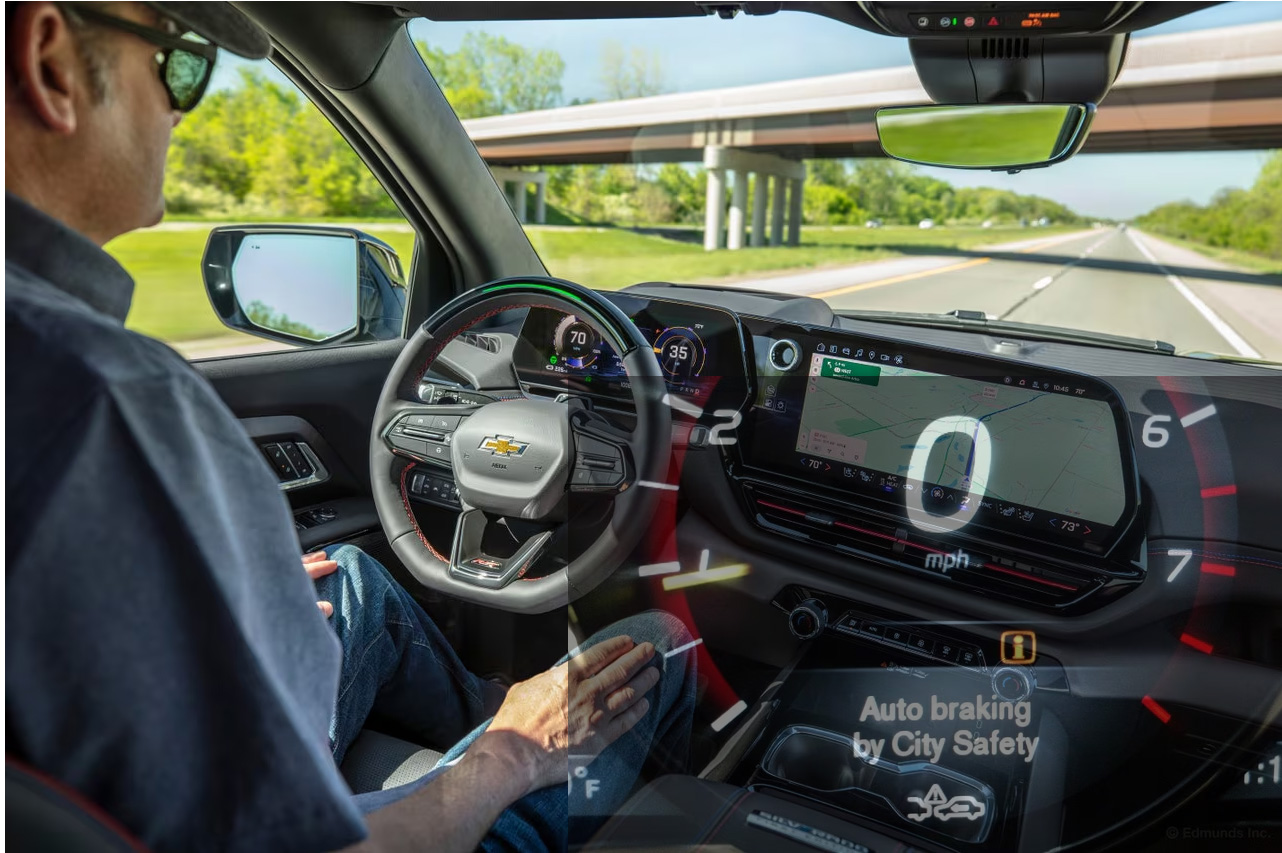
Recent studies by the Insurance Institute for Highway Safety (IIHS) and the Highway Loss Data Institute (HLDI) suggest that automated driving features, often perceived as advanced safety technologies, may not significantly enhance vehicle safety as previously thought. Instead, these partial automation systems—such as adaptive cruise control (ACC), lane centering, and automatic steering assist—are primarily designed for driver comfort rather than critical safety enhancement.
The research highlights a crucial distinction between partial automation systems and more proactive crash avoidance technologies. Partial automation systems are those that assist with driving tasks but do not actively engage in preventing accidents unless the driver initiates their use. Examples include adaptive cruise control and automatic lane centering. In contrast, crash avoidance features like automatic emergency braking (AEB), blind-spot monitoring, and lane departure warnings are designed to activate autonomously in response to potential collisions.
Study Findings: Limited Safety Benefits of Partial Automation
According to the 2021 HLDI study, which examined the impact of these systems in models from BMW, Mini, and Nissan, partial automation systems did not offer substantial safety benefits over traditional crash avoidance technologies. The study found that while AEB and similar features could reduce collision claim rates and insurance claims, the presence of partial automation systems like ACC did not further enhance these benefits. Specifically, the study observed that Nissan Rogues with AEB saw an 8% reduction in property damage liability claims, whereas those equipped with ProPilot Assist (a form of partial automation) showed no additional safety improvement.
Similarly, the IIHS study corroborates these findings, noting that while vehicles with advanced crash avoidance features demonstrated significant reductions in crash rates—up to 54% for vehicles with both forward collision warning and AEB—the additional benefits of partial automation systems were marginal. For example, BMW and Mini models with AEB experienced a 7% drop in collision claims, and those with the Driving Assistance package, including ACC, saw up to a 25% reduction in property damage liability claims. However, the enhancements provided by ACC alone were less impactful.
The Role of Automation in Enhancing Driver Behavior
The key takeaway from these studies is that while partial automation systems can improve driving convenience and promote safer driving behaviors—such as longer following distances and reduced tailgating—they are not substitutes for active safety features. The IIHS suggests that current partial automation systems, including ACC and lane centering, often encourage a false sense of security. Drivers may rely too heavily on these systems, leading to decreased attentiveness and potentially unsafe driving practices.
Moreover, the studies emphasize that partial automation systems should not be mistaken for comprehensive safety solutions. Although newer models might incorporate more advanced technology, current data does not fully support significant safety benefits beyond those provided by established crash avoidance systems.
In conclusion, while partial automation features add comfort and convenience to the driving experience, they should not be relied upon as primary safety tools. Active safety technologies, such as AEB and lane departure warnings, remain crucial for preventing accidents and protecting drivers. As automotive technology continues to evolve, it is essential for both consumers and regulators to maintain a clear understanding of what these systems can—and cannot—achieve in terms of enhancing vehicle safety.