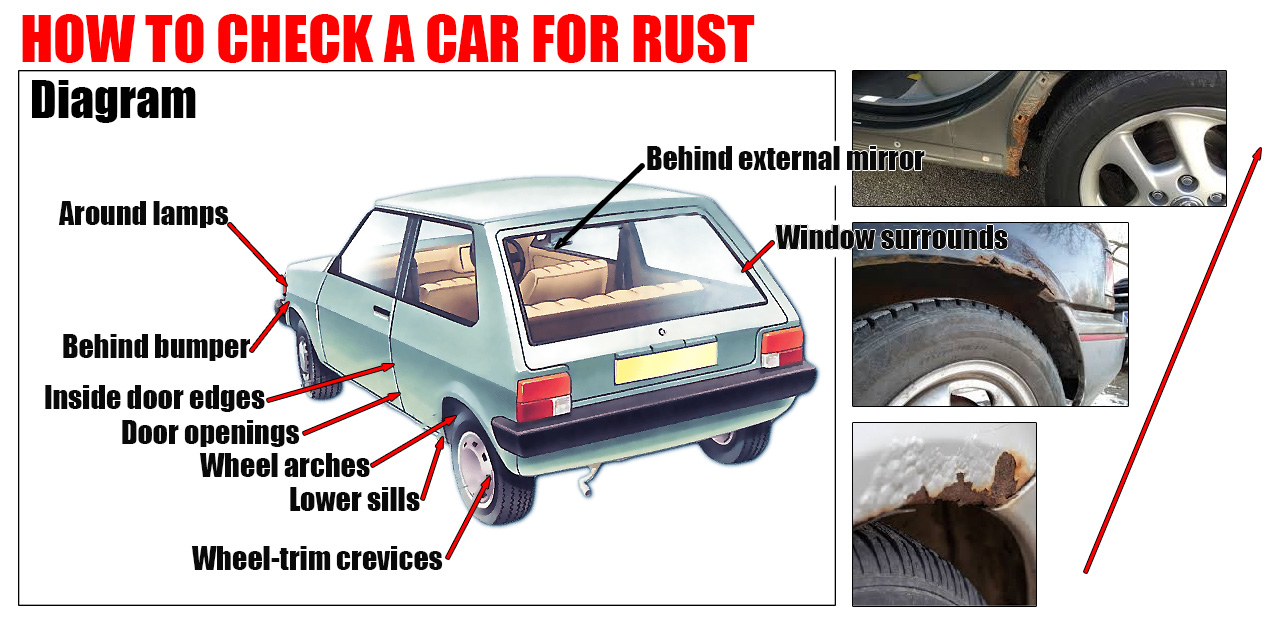
Rust is one of the most common and potentially damaging issues that can affect the structural integrity and appearance of a vehicle. Regular inspection for rust is crucial, especially in areas prone to moisture or where dirt and debris can accumulate. In this guide, we will explore the key areas of a vehicle where rust is most likely to form, providing a detailed explanation of what to look for and how to identify early signs of corrosion.
Key Areas to Inspect for Rust
When inspecting a car for rust, there are several areas that are particularly vulnerable. Rust tends to develop in regions where water can accumulate or where the protective paint has been damaged, leaving the metal exposed. Let’s break down the most critical spots for rust inspection.
1. Around Lamps
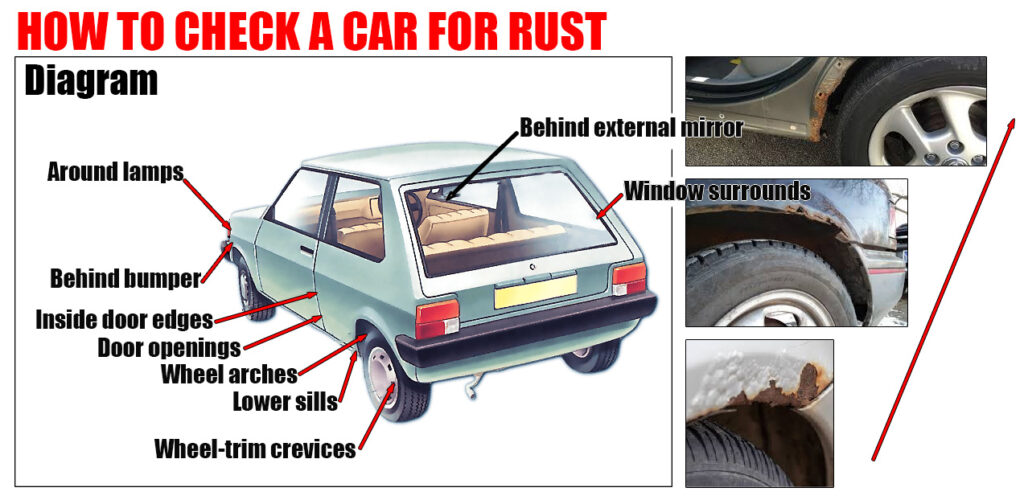
Headlamps and taillamps are common areas where rust can begin to form. Moisture can seep into the seams around the lamp housings, especially if the seals have deteriorated over time. Inspect the edges and mounting points of both the headlamps and taillamps for any signs of bubbling paint or surface corrosion.
2. Behind Bumper
The area behind the bumper is often exposed to road debris, moisture, and salt, which can lead to rust formation. While the bumper itself may look fine, rust can develop on the metal frame hidden behind it. Carefully examine the seams and attachment points of the bumper for any rust, particularly after removing the bumper for a closer inspection.
3. Inside Door Edges
Rust commonly forms inside door edges due to trapped moisture or damage from opening and closing the doors. Check the lower edges of all doors, especially where the outer sheet metal meets the inner structure. Peeling paint or rough patches on these edges may indicate the early stages of rust.
4. Door Openings
Door openings, including the areas where the rubber seals are attached, are prone to rust due to frequent exposure to water and dirt. Inspect the metal surfaces around the seals, paying close attention to any discoloration or rough spots that may signify rust beneath the surface.
5. Wheel Arches
The wheel arches are highly susceptible to rust because they are constantly exposed to road spray, mud, and salt. Inspect the entire perimeter of each wheel arch, particularly the lower sections, for any signs of rust. Be sure to feel for rough textures, which could indicate hidden rust beneath the paint.
6. Lower Sills
Lower sills, located beneath the doors, are another area where rust can thrive. These sills often collect water and debris, making them prime candidates for corrosion. Visually inspect and gently press on the sills to check for weak spots or rust bubbles.
7. Wheel-Trim Crevices
The small crevices between the wheel trim and the wheel itself are notorious for trapping moisture, which can lead to rust. Remove the wheel trims and check the metal surfaces underneath for any corrosion. Be especially mindful of dirt accumulation, as it can accelerate rust formation.
8. Behind External Mirror
The area behind the external mirrors can also develop rust, especially if the mounting points are exposed to the elements. Inspect the base of the mirrors for any signs of corrosion or damage to the surrounding paint. Even small cracks in the paint can lead to rust over time.
9. Window Surrounds
Window surrounds, including the metal frames around the windshield and side windows, are another vulnerable area. Rust can develop along the edges where the glass meets the bodywork, particularly if the seals have deteriorated. Inspect for any bubbling paint or rough textures that could indicate the early stages of rust.
Steps for Inspecting Rust
When conducting a rust inspection, follow these steps for a thorough evaluation:
- Visual Inspection: Start with a detailed visual inspection of all the areas mentioned above. Look for signs of discoloration, bubbling paint, or rough textures that indicate rust beneath the surface.
- Physical Check: Use your fingers to gently press on suspect areas. If the metal feels soft or weak, rust may have started to corrode the structure from the inside.
- Magnifying Glass: For hard-to-see areas, such as crevices or small openings, use a magnifying glass to get a closer look at any potential rust spots.
- Remove Components: For a more in-depth inspection, remove components like bumpers, wheel trims, or door panels to examine hidden areas for rust.
- Check Drain Holes: Ensure that drain holes, particularly around the doors and sills, are clear of debris. Blocked drains can cause water to pool and accelerate rust formation.
Checking a car for rust is a critical part of vehicle maintenance, as rust can significantly compromise both the aesthetics and structural integrity of the car body. By regularly inspecting vulnerable areas such as around lamps, behind the bumper, inside door edges, and wheel arches, you can catch rust early and prevent further damage. Early detection and treatment are key to prolonging the life of your vehicle and ensuring its safety on the road.