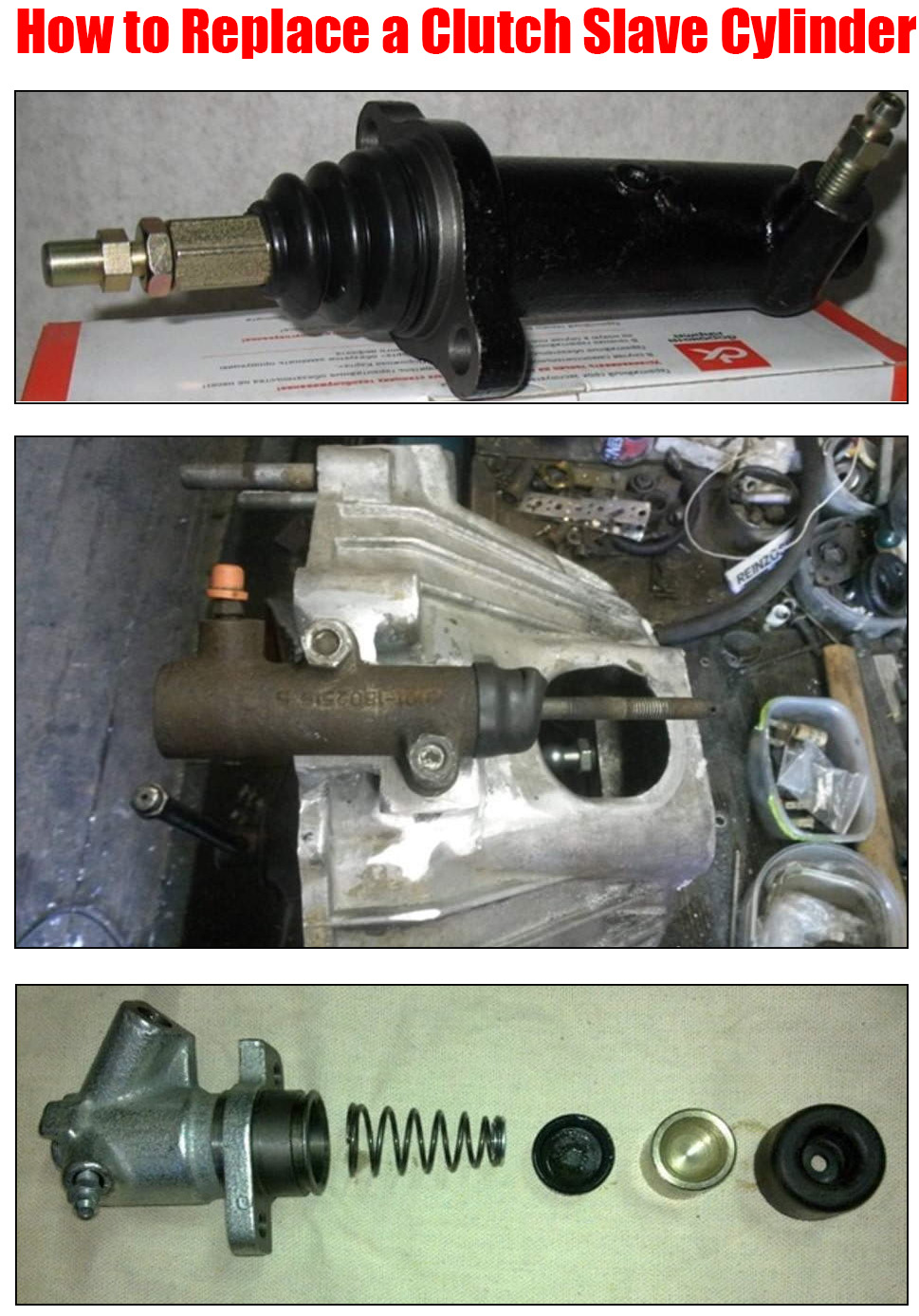
There are several types of automotive clutches, and currently, the most common ones are considered to be hydraulic variants. However, they are structurally more complex than traditional mechanical devices, as their principle of operation is related to the movement of fluid under pressure. The replacement of the clutch slave cylinder is a routine procedure for a vehicle owner with a hydraulic system.
Causes of failures in the Clutch Slave Cylinder of a car
The material from which the cylinder housing is made plays an important role. Today, cylinders are made not only from steel or cast iron as before. Aluminum and even polymers are being used more frequently. However, such softer materials will not be as reliable.
Repairing the clutch shaft is necessary in the following cases:
- Leaks (caused by worn sealing rings or damage to connecting pipes)
- Cracks in the cylinder housing
- Breakage of the CMC spring
The shaft consists of several components, each of which can be damaged. Push rod, piston, seals, and spring — all these components are constantly under load, increasing the likelihood of their failure.
Key indicators of a faulty Clutch Slave Cylinder
The following symptoms indicate problems with the clutch slave cylinder:
- The fluid level in the reservoir decreases, and there are stains forming under the car.
- The pedal starts to sink when pressed, and the clutch does not function properly.
- Difficulties arise when shifting gears or disengaging the clutch, and adjusting the linkage does not provide any improvement.
Experts recommend paying close attention to the pedal’s performance. A soft or sinking pedal should immediately raise concerns, although it does not necessarily indicate an immediate need for hydraulic system repair.
However, a reason for diagnostic testing arises when performing a clutch bleed. If there are air bubbles present in the brake fluid, it is necessary to determine their origin. In 99 out of 100 cases, air enters the shafts of the clutch master or slave cylinder due to a breach in the seals’ integrity.
Replacing the clutch slave cylinder: step-by-step instructions
We will provide an algorithm that involves removing and inspecting the clutch slave cylinder. Of course, it is possible to only remove the clutch slave cylinder, in which case it will be sufficient to crawl under the car and remove the clutch slave cylinder located on the clutch housing. However, why perform the repair twice? The clutch slave cylinder could also be faulty, so it is worth checking it as well.
The procedure is almost the same for most car models.
Necessary tools:
- Socket set, adjustable and wrenches of sizes «8», «10», «13», and «17».
- Pliers and a hammer.
- Medical syringe for fluid extraction.
- Screwdrivers.
Preparing clean brake fluid with a volume of 1-2 liters. Drain the fluid from the reservoir using the syringe. On some models, it may also be necessary to remove the radiator reservoir, which is held in place by a large metal clamp, as it obstructs the work.
How to Replace a Clutch Slave Cylinder Step by Step:
- Remove the empty clutch reservoir, which is also secured by a smaller clamp.
- Disassemble the tubes and hoses, ensuring to clean them from dust and dirt.
- Unscrew the attachment of the aluminum tube to the master cylinder, and remove it.
- Remove the master cylinder.
- Pull out the main line leading to the clutch slave cylinder.
- Unscrew the two securing bolts of the working cylinder, and remove it along with the spring attachment, using pliers.
- Disassemble the clutch slave cylinder.
Reassemble in the reverse order.
Tighten the connections of the new clutch slave cylinder securely to prevent fluid leakage. The adjustment nuts from the old cylinder can be unscrewed and transferred to the new component. They should be screwed to the same level as on the old device’s shaft. It is also advisable to replace the aluminum lines, especially if their quality is questionable.
After installing the new cylinder, you need to bleed the hydraulic system. Connect a hose to the special bleeding nipple on the working cylinder (usually covered by a protective cap), and lower the other end into a container. Prior to that, loosen the bleeding nipple a few turns—do not remove it completely! Fill the clutch reservoir with fluid. Depress the clutch pedal until no more air bubbles come out. If the clean fluid does not flow after 5-6 strokes, the clutch linkage may need to be adjusted.
Replacing the Clutch Slave Сylinder is a last resort. The repair kits available in the market are becoming less reliable. However, determining whether the component is repairable can only be done after removing and disassembling the working cylinder. It is necessary to inspect the internal mechanisms, especially the seals and spring. If the majority of the parts are damaged, it is better not to proceed with the repair. Naturally, a cylinder with even a small crack in its casing will end up in the junkyard. Additionally, it is advisable to replace polymer and aluminum models right away.