Triggering Mechanism in Electronic Systems
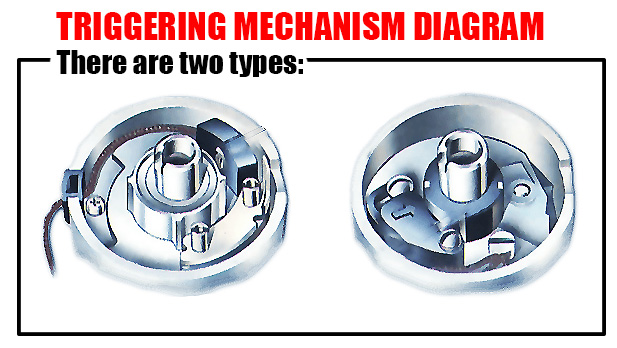
In modern electronic systems, precise timing and control are crucial for optimal performance, and this is where a triggering mechanism plays a key role. The mechanism typically involves a rotor and a triggerhead, working together to generate and regulate the necessary signals.
How the Triggering Mechanism Works
At the core of this system is the rotor, which is equipped with steel ridges or embedded magnetic strips. As the rotor spins, these ridges or strips move through the magnetic field generated by the triggerhead. This interaction between the rotor and the magnetic field induces a small voltage.
When the magnetic strips on the rotor align with the triggerhead, they create a pulse of voltage. This voltage is critical because it acts as a signal that activates a power transistor within the system. The transistor, in turn, manages the flow of electrical current, enabling the system to perform its intended function with precision.
The Role of the Power Transistor
The power transistor is a crucial component in this mechanism. Once triggered by the voltage from the magnetic strips, it controls the flow of current in the circuit. This controlled flow is essential for the accurate timing and operation of various electronic functions within the system, ensuring that the device operates smoothly and efficiently.
The triggering mechanism is an elegant example of how mechanical movement and electronic components work together to create precise control signals. The interaction between the rotor and the triggerhead, along with the subsequent activation of the power transistor, is fundamental to the reliable performance of many modern electronic systems.