
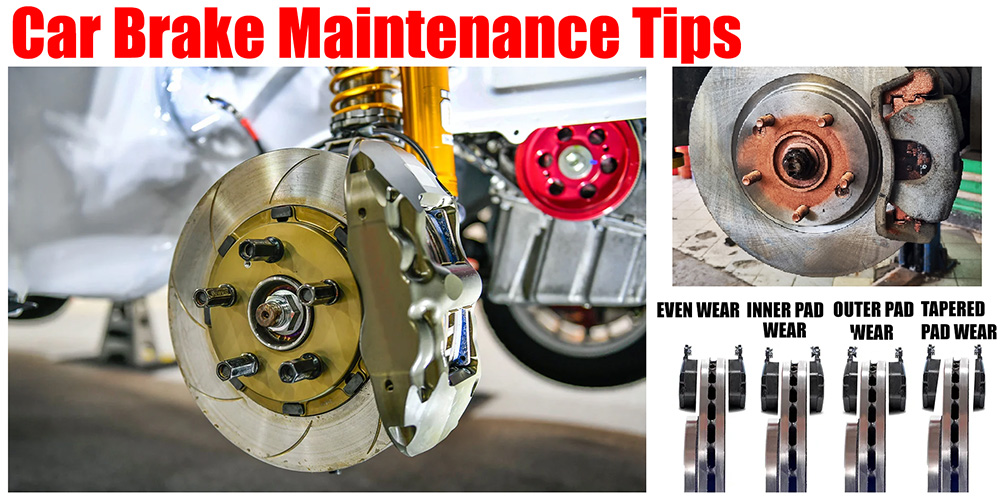
The braking system of a vehicle is one of the systems that directly affects the safety of the vehicle and its occupants during motion. This system requires special attention during vehicle servicing.
Change the Pads Timely
Brake pads are operational components of the braking system that wear out quickly and require regular replacement. When you apply the brakes, the brake pads press against the rotors, slowing down the wheel rotation through friction.
Replacement of brake pads is typically done every 20,000 to 40,000 miles. It should be noted that pad wear may vary depending on driving conditions. The most common signs indicating the need for brake pad replacement are squealing and trembling during braking.
Check and Replace Brake Fluid
Carefully and systematically monitor the level of brake fluid in the system. Various factors may contribute to a decrease in the brake fluid level in the system, such as leaks.
To check, simply open the hood and inspect whether the fluid level is between the min and max marks. If you notice that the fluid level is below the minimum mark, brake fluid should be added.
Over time, brake fluid can lose its properties, which also affects the performance of the braking system. It is important to check the fluid for color and consistency. Brake fluid should be clear, with a slight yellowish tint and free of any granular impurities.

Carry Out Regular Inspections
Regular visual inspections will help you prevent problems with the braking system in a timely manner. Check how thin the brake pads are; if they are thin (under 1/4 inch), they’ll need replacing.
Drive Safely and Consistently
Proper driving will significantly increase the lifespan of the braking system. Avoid overloading your car and adhere to the rules of operation.
Don’t Ignore the Warning Signs
Following these recommendations will extend the service life of the braking system and prevent many road-related issues.