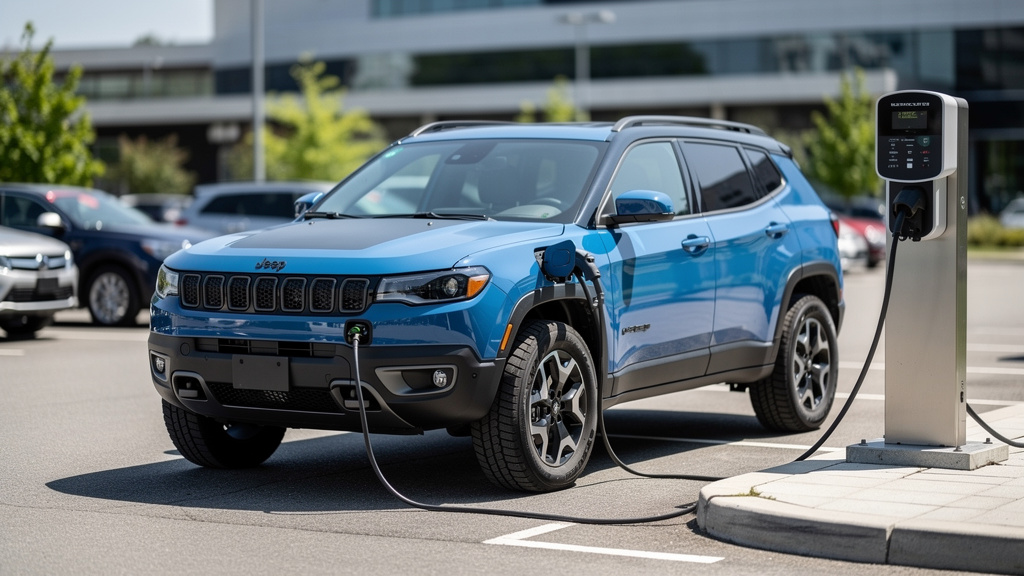
The Jeep Recon is different from every other model on this site in one important way: it just went on sale, so there is no multi-year reliability track record to report yet – as covered in our full
Jeep reliability and maintenance guide, that’s a genuinely different starting point than the Wrangler or Grand Cherokee. This guide covers what’s actually known: real specifications, what to expect from EV-specific ownership costs, and an honest account of what data does and doesn’t exist yet. We’ll update this page as real-world ownership data comes in.
Jeep Recon Recalls
Current open safety recalls for the Recon, updated automatically as new campaigns are issued.
No recalls found for this vehicle. That’s good news.
Launch Details, Who It’s For, and the Core Trade-Off
The Recon is a single-generation, single-trim vehicle at launch:
- 2026 Recon, Moab trim – the only version available so far, starting at roughly $67,000-$69,000 depending on destination and options. Built on Stellantis’s STLA Large platform at the Toluca plant in Mexico. It’s Jeep’s first EV to carry the Trail Rated badge, and only the brand’s second EV overall after the Wagoneer S.
The Recon is built for existing Jeep owners curious about going electric without giving up doors-off, roof-off, genuinely trail-capable driving – it borrows the Wrangler’s removable-panel philosophy and Selec-Terrain traction system rather than softening them for an EV audience the way some competitors have. The core trade-off is straightforward: you’re buying real off-road capability and a fully electric powertrain in one package, but you’re also buying a first-model-year vehicle on an all-new platform, with none of the accumulated ownership data that makes a Wrangler or Grand Cherokee easier to evaluate before you buy.
Technical Specs
| Spec |
Detail |
| Powertrain |
Dual electric motors, standard 4WD |
| Power / Torque |
650 hp / 620 lb-ft |
| 0-60 mph |
3.6 seconds (manufacturer estimate) |
| Battery |
100 kWh, 400-volt architecture |
| Range (Moab trim) |
Up to 230 miles (manufacturer estimate; independent EPA figures were not yet published at launch) |
| Transmission |
Single-speed direct drive, typical of electric powertrains |
| Towing (with Trailer Tow Group) |
Up to 3,300 lbs |
| Dimensions |
193.3 in long, 74.8 in wide, 73.8 in tall, seats 5 |
| Cargo |
30.3 cu ft (seats up), 65.9 cu ft (seats folded) |
What to Watch For as a First-Model-Year Vehicle
There is no documented problem list here the way there is for the Wrangler or Compass – the Recon hasn’t been on sale long enough to generate one. What follows is general guidance for a first-model-year vehicle on a new platform, not a report of actual complaints:
- First-year production risk – new nameplates on new platforms statistically carry more early software and build-quality hiccups than a model in its third or fourth year, across the industry, not specific to Jeep. This is a normal pattern, not a Recon-specific warning sign.
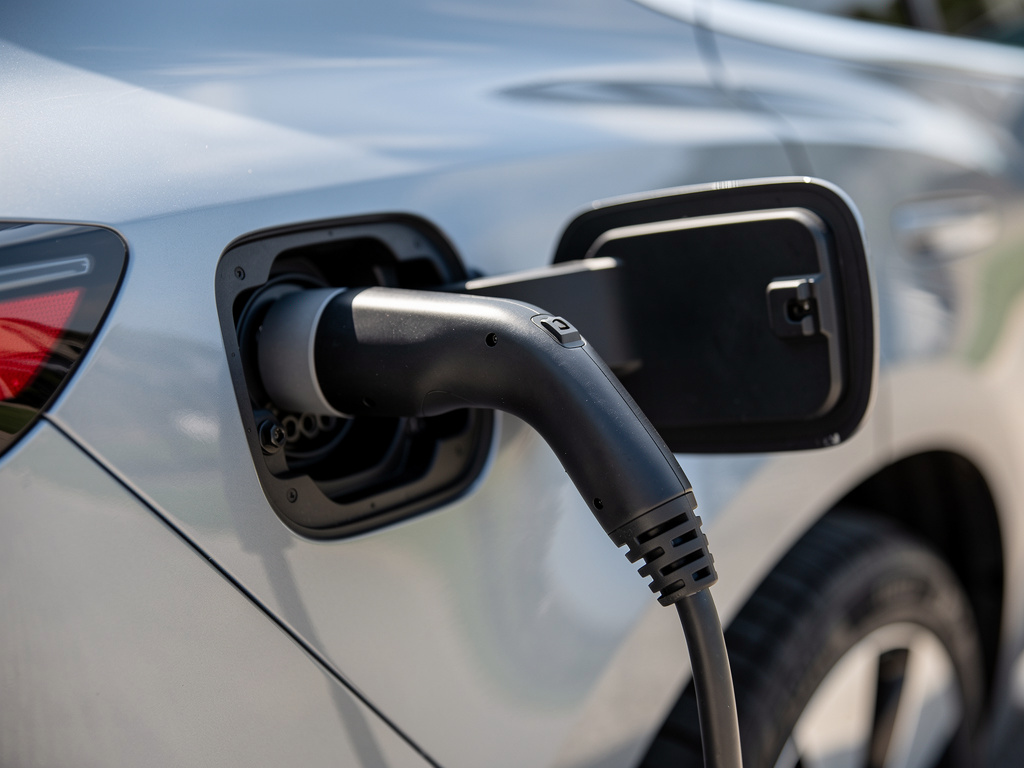
- 12-volt AGM battery health – every modern EV, the Recon included, still runs a conventional low-voltage battery for accessories and startup systems. It’s a normal EV wear item, not unique to this model.
- High-voltage battery thermal management – the 100-kWh pack uses active cooling; how well that system performs in sustained off-road use and hot climates over years of ownership is exactly the kind of thing that only shows up in longer-term data, which doesn’t exist yet for this model.
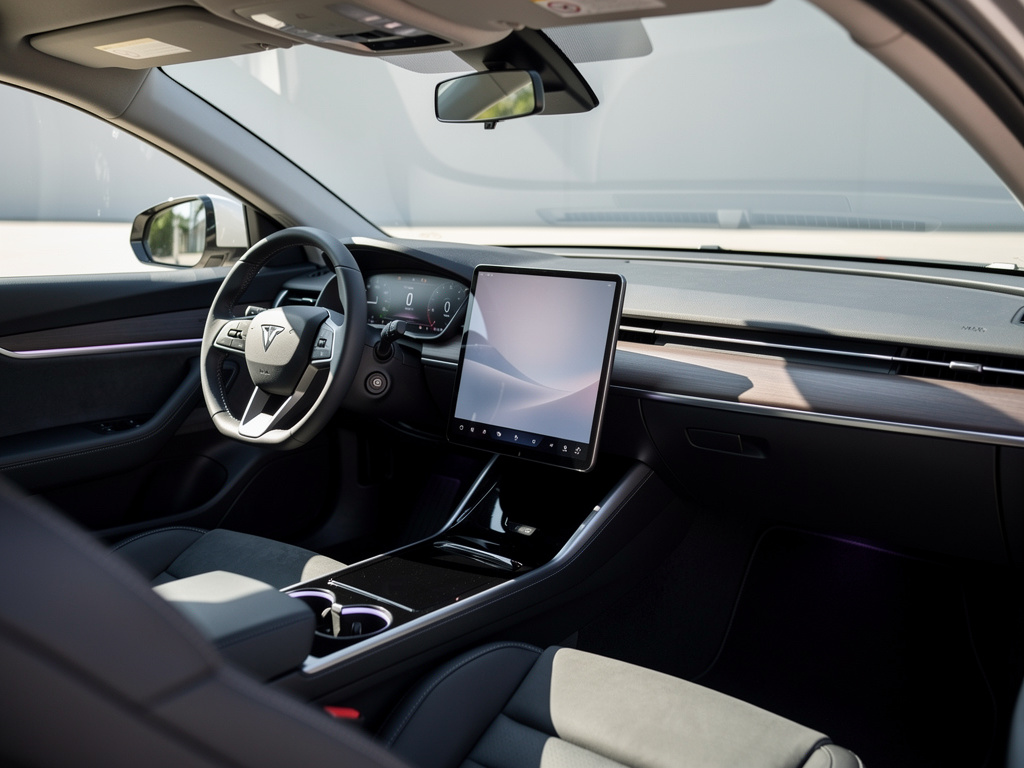
- Software and infotainment maturity – as with most new EV launches, expect over-the-air updates to address minor software issues in the first year or two, similar to what other automakers’ first-model-year EVs have experienced.
None of this is a reason to avoid the Recon – it’s a reason to buy with realistic expectations about what a brand-new nameplate is and isn’t proven to do yet.
Reliability Data: What We Don’t Know Yet
This is the most important section on this page to read honestly. RepairPal, J.D. Power’s Vehicle Dependability Study, and independent complaint-aggregation sites like the ones cited elsewhere on this site all require a meaningful amount of time – typically a year or more of real ownership – before they publish anything statistically useful. As of this guide’s publication, none of those sources have Recon-specific data yet. The closest available reference point is the
Wagoneer S, Jeep’s other current EV, but it’s a different vehicle on a different version of the platform, aimed at a different buyer, so treat any comparison there as a loose proxy at best, not a stand-in for real Recon data. We’ll update this section – including the recall lookup above – as actual ownership data becomes available.
Recommended Maintenance Schedule
Electric powertrains remove the items that dominate maintenance schedules elsewhere on this site – there’s no engine oil, no oil filter, no timing chain, and no transmission fluid to service. What’s left is simpler, but not zero:
| Interval |
Service Type |
What to Check / Replace |
| Every 12,000-16,000 km (~7,500-10,000 mi) or annually |
Routine Service |
Tire rotation and wear check (instant torque wears tires faster than a comparable gas SUV), brake fluid condition check, 12V battery health check, cabin air filter replacement |
| Every 2 years regardless of mileage |
Brake Fluid Service |
Brake fluid flush – still time-based on an EV, since brake fluid absorbs moisture whether or not the friction brakes are used often (regenerative braking reduces pad wear but doesn’t change fluid chemistry) |
| Ongoing, software-driven |
Over-the-Air Updates |
Battery management and infotainment software updates, delivered automatically – keeping these current is part of maintaining an EV in a way it wasn’t on any gas-powered Jeep |
| As needed, watch for manufacturer guidance |
High-Voltage Battery Inspection |
Jeep had not published a fixed inspection interval for the HV battery and cooling system as of this vehicle’s launch – check the owner’s manual for your specific build date |
Related Recon Guides & Repairs
Model-specific how-to guides and repair walkthroughs will be linked here as they’re published.
| Guide |
Status |
| Jeep Recon vs. Wrangler 4xe: Which Off-Road EV Makes More Sense? |
Coming soon |
| Jeep Recon Real-World Range Test: Highway, City, and Trail |
Coming soon |
| Jeep Recon Year One: Tracking Early Owner-Reported Issues |
Coming soon |
Frequently Asked Questions
Is the Jeep Recon reliable?
It’s too early to say with real data – the Recon only recently went on sale, and reliability-tracking organizations need a year or more of ownership data before publishing anything meaningful. Judge it on its specs and warranty coverage for now, not on a reliability score, because a trustworthy one doesn’t exist yet.
Should I wait for a later model year?
That’s a reasonable instinct for any all-new nameplate on an all-new platform – first-model-year vehicles across the industry tend to see the most software refinement in their first year or two. If you want to be an early adopter, go in with that expectation rather than assuming Recon will behave like a mature, well-documented model such as the Wrangler.
What’s the real-world range like?
Jeep’s own estimate for the Moab trim is up to 230 miles, but that’s a manufacturer figure, not an independently verified EPA rating at the time of this guide’s publication – and off-road driving, cold weather, and towing will all reduce it, the same way they would on any EV. Treat the 230-mile figure as a best-case number until independent testing confirms real-world results.
How does the Recon compare to the Wrangler 4xe?
They solve a similar problem – electrified off-road capability – very differently. The 4xe is a plug-in hybrid with a gas engine as backup and a shorter electric-only range; the Recon is fully electric with no gas engine at all, longer claimed range, and more power, but also full dependence on charging infrastructure for trips beyond its battery range. Someone who wants zero-emission daily driving with occasional long trail runs is the clearer Recon buyer; someone who wants electric capability without changing their road-trip habits may still prefer the 4xe.
Is off-road driving hard on an EV battery?
It can be more demanding than typical driving – low-speed technical terrain draws less peak power but sustained wheel-spin, water crossings, and the added weight of off-road tires and gear all affect range and put extra load on the battery’s thermal management system. This is exactly the kind of long-term durability question that doesn’t have a documented answer yet for the Recon specifically.