
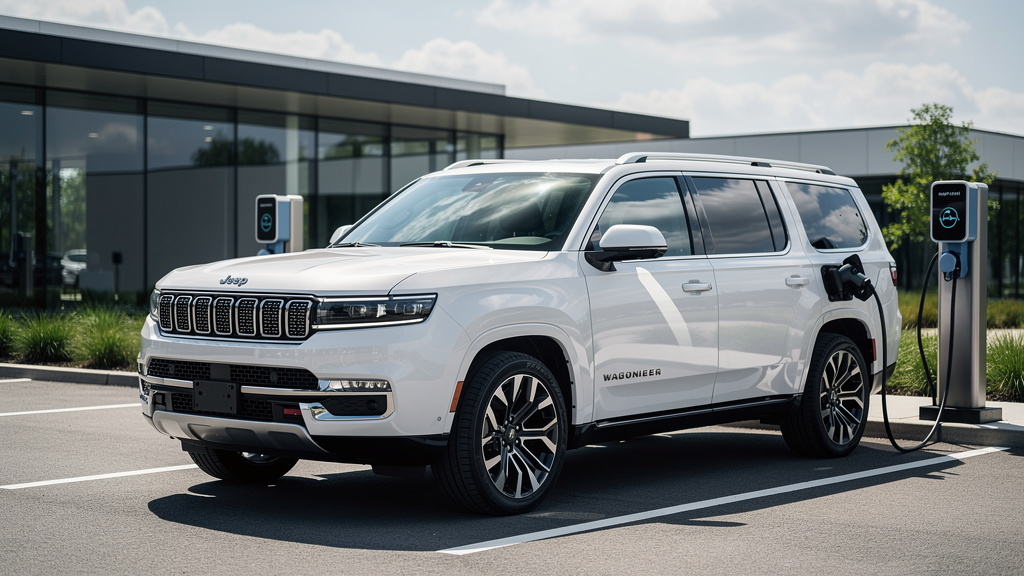
The Jeep Wagoneer S is Jeep’s first dedicated all-electric SUV, sitting alongside the gas-powered Wagoneer and Grand Wagoneer rather than replacing either – as covered in our full Jeep reliability and maintenance guide. Because this model only launched for the 2024 model year, this guide leans heavily on documented specs and recalls rather than long-term ownership data, which simply doesn’t exist yet for a vehicle this new.
Jeep Wagoneer S Recalls
Current open safety recalls for the Wagoneer S, updated automatically as new campaigns are issued.

Jeep Recalls & Safety Notices
Model years 2017–2026
LIVE DATA · SOURCE: NHTSANo recalls found for this vehicle. That’s good news.
Launch Details, Who It’s For, and the Core Trade-Off
A single model year in market so far, with more on the way:
- 2024 launch – Jeep’s first purpose-built electric SUV, launched in Launch Edition trim with a 100.5-kWh battery, 400-volt architecture, and up to 600 hp / 617 lb-ft, capable of 0-60 mph in as little as 3.4 seconds. EPA-estimated range around 300 miles on the Launch Edition.
- 2025-present – lower-output trims joined the lineup below the Launch Edition; exact power and range figures vary by trim and haven’t all been independently verified against Launch Edition numbers, so confirm the specific trim’s EPA rating rather than assuming Launch Edition figures apply across the board.
The Wagoneer S is built for buyers who want Jeep’s on-road luxury positioning (competing more directly with electric SUVs from luxury brands than with off-road-focused Jeeps) without a combustion engine. It is not marketed as a Trail Rated off-roader the way the Wrangler or Gladiator are. The core trade-off of any first-model-year vehicle applies here: strong on-paper specs, but the shortest ownership track record of any model in the Jeep lineup.
Technical Specs
Specs below reflect the Launch Edition, the best-documented configuration so far. Real-world range on any EV typically runs below the EPA figure in cold weather or highway-heavy driving.
| Spec | Launch Edition |
|---|---|
| Battery | 100.5 kWh, 400-volt architecture |
| Power | Up to 600 hp / 617 lb-ft (dual motor, AWD) |
| 0-60 mph | As little as 3.4 seconds |
| EPA Range (approx.) | ~300 miles |
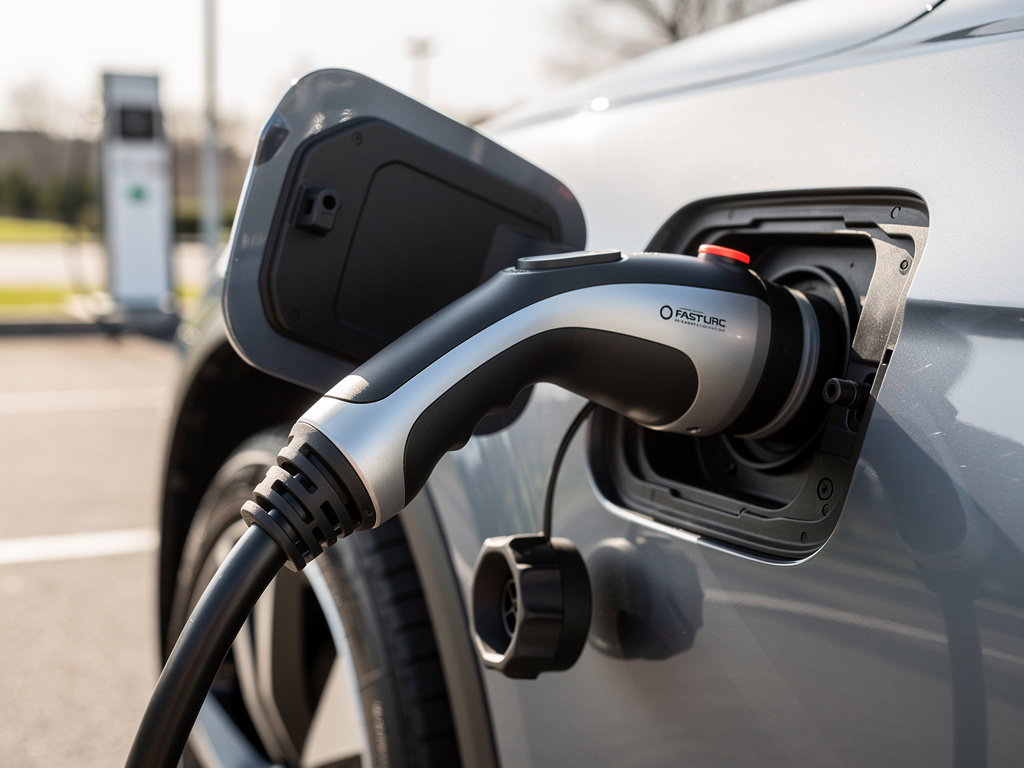
| Charging | DC fast-charging capable; home Level 2 charging supported |
What to Watch For as a First-Model-Year Vehicle
Several documented recalls affect early Wagoneer S production, none of which are unusual for a brand-new platform in its first model years but all worth checking against a specific VIN before buying:
- Liftgate hinge cover recall (issued March 2026): affects roughly 11,767 vehicles across the 2024-2026 model years. The rear liftgate hinge covers may not have been properly clipped into place during production and could detach at highway speed, becoming a road hazard.
- Headlight adjustment recall: affects roughly 3,919 units of the 2024-2025 model years built between March 21, 2024 and January 29, 2025, produced with incorrectly adjusted headlights.
- Instrument panel cross-car beam recall: affects a small number of 2025 models built with an incorrect cross-car beam and reinforcement brackets, which compromises intended crash load distribution.
Beyond recalls, early-adopter complaints reported since launch include software glitches, infotainment system hiccups, inconsistent charging behavior at some public chargers, and panel-fit or build-quality concerns typical of a newly launched production line. Some owners report real-world range estimates falling short of the EPA figure, which is common across the EV segment generally but worth setting expectations around specifically for this model.
Reliability Data: What We Don’t Know Yet
Because the Wagoneer S only launched for the 2024 model year, there isn’t yet enough ownership history for a credible long-term reliability score, an annual maintenance-cost average, or a “years to avoid” pattern the way there is for Jeep’s longer-running nameplates. Aggregated complaint data so far skews toward the categories above (software, infotainment, charging, and the specific recalls listed) rather than powertrain or battery durability concerns, but a single model year of data is not enough to draw a confident conclusion about long-term battery health or motor durability. Treat any specific reliability score or annual-cost figure you see cited elsewhere for this model with real skepticism until more ownership-years accumulate – we’ll update this guide as that data becomes available.
What EV ownership costs less on than a comparable gas Jeep: no oil changes, no spark plugs, no timing chain service, and regenerative braking typically extends brake pad life compared with a similarly sized gas SUV.
What to budget for instead: tire wear (EVs are heavier and deliver instant torque, both of which accelerate tire wear versus a comparable gas SUV), 12V auxiliary battery replacement on the same interval as a conventional vehicle, and cabin air filter service, which matters more on an EV since climate control draws directly on battery range.
Recommended Maintenance Schedule
EV maintenance schedules are lighter than a comparable gas SUV’s – there’s no engine oil, spark plugs, or timing components to service.
| Interval | Service Type | What to Check / Replace |
|---|---|---|
| Every 12,000-15,000 km (~7,500-9,000 mi) or annually | Minor Service | Tire rotation and tread-wear check (accelerated wear is common on EVs), cabin air filter inspection, software/infotainment update check, 12V auxiliary battery health check |
| Every 30,000-40,000 km (~18,000-25,000 mi) | Intermediate Service | Brake fluid flush (brake fluid still degrades over time even with light regenerative-braking use), full tire replacement is typically needed around this interval given the accelerated wear, coolant loop inspection (EVs use coolant for battery and motor thermal management, not just cabin heat) |
| Every 80,000-100,000 km (~50,000-60,000 mi) | Major Service | Full battery state-of-health diagnostic, drive unit and reduction gear fluid inspection, full electrical diagnostic scan, confirm all applicable recalls completed on the specific VIN |
Related Wagoneer S Guides & Repairs
Model-specific how-to guides and repair walkthroughs will be linked here as they’re published.
| Guide | Status |
|---|---|
| Wagoneer S Liftgate Hinge Cover Recall: What to Check on Your VIN | Coming soon |
| Wagoneer S Real-World Range: What to Expect by Season and Driving Style | Coming soon |
| Wagoneer S Home Charging Setup: Level 2 Charger Guide | Coming soon |
Frequently Asked Questions
Is the Jeep Wagoneer S reliable?
It’s too early to say with any confidence – the model has only one full model year of ownership data behind it as of this writing. Early complaints cluster around software, infotainment, and charging rather than the battery or drive unit, but that pattern could still shift as more vehicles age.
What’s the real-world range of the Wagoneer S?
The Launch Edition is EPA-rated around 300 miles, but like any EV, expect a meaningful drop in cold weather or on sustained highway driving. Some early owners report real-world range falling short of the EPA figure – this is common across the EV segment and not unique to this model, but worth planning around rather than assuming you’ll see the rated number in every condition.
Are there open recalls I should check before buying?
Yes – three have been issued so far: a liftgate hinge cover recall, a headlight adjustment recall, and an instrument panel reinforcement recall. Check the VIN-specific recall lookup above rather than assuming a given vehicle is or isn’t affected based on model year alone.
How does maintenance cost compare to a gas-powered Jeep?
Lower on routine items – no oil changes, spark plugs, or timing service – but budget for faster tire wear given the vehicle’s weight and instant torque. A confident total annual-cost comparison isn’t possible yet given how little ownership data exists for this specific model.
Does the Wagoneer S have real off-road capability like the Wrangler?
No – it’s positioned as an on-road luxury SUV, not a Trail Rated off-roader. If off-road capability in an electric Jeep is what you’re after, the Recon is built for that use case instead.