Brand Guide
Tesla built its identity on electric performance and over-the-air software rather than mechanical tradition – a genuinely different starting point from every other brand covered on this site. This guide covers what that means in practice: real reliability data compared to the rest of the industry, the specific issues found on the Model 3 and Model S, and what to know before buying.
Model years 2017–2026
LIVE DATA · SOURCE: NHTSA| Date | Vehicle | Campaign | Component | Summary |
|---|---|---|---|---|
| 2026-08-05 | Tesla Model 3 MY 2023 | 26V507000 ↗ | EXTERIOR LIGHTING:HEADLIGHTS | Tesla, Inc. (Tesla) is recalling certain 2017-2023 Model 3 and 2020-2023 Model Y vehicles. The headlight low beams may be too bright and exceed the maximum light output. As such, these vehicles fail to comply with the requirements of Federal Motor Vehicle Safety Standard (FMVSS) number 108, "Lamps, Reflective Devices, and Associated Equipment."Consequence Headlight low beams that are too bright can reduce visibility for oncoming drivers, increasing the risk of a crash. Remedy The remedy is currently under development. Owner notification letters are expected to be mailed September 15, 2026. Owners may contact Tesla customer service at 1-877-798-3752. Tesla's number for this recall is SB-24-17-003. |
| 2026-05-19 | Tesla Model Y MY 2025 | 26V315000 ↗ | EQUIPMENT:OTHER:LABELS | Tesla, Inc. (Tesla) is recalling certain 2025-2026 Model Y vehicles. The certification label may not have been installed. As such, these vehicles fail to comply with the requirements of 49 C.F.R. Part 567, "Certification."Consequence Missing weight information provided by the label may lead to unintentionally overloading the vehicle, increasing the risk of a crash. Remedy Tesla Service will inspect and install a certification label as necessary, free of charge. Owner notification letters were mailed July 17, 2026. Owners may contact Tesla customer service at 1-877-798-3752. Tesla's number for this recall is SB-26-19-002. |
| 2026-05-05 | Tesla Model 3 MY 2023 | 26V283000 ↗ | BACK OVER PREVENTION:SOFTWARE | Tesla, Inc. (Tesla) is recalling certain 2017, 2021-2023 Model 3, 2020-2023 Model Y, 2021-2023 Model S, and Model X vehicles operating software version 2026.8.6. The rearview camera image may be delayed when the vehicle is placed in reverse. As such, these vehicles fail to comply with the requirements of Federal Motor Vehicle Safety Standard number 111, "Rear Visibility."Consequence A delayed rearview image reduces the driver's view behind the vehicle, increasing the risk of a crash. Remedy Tesla has released an over-the-air (OTA) software update, free of charge. Owner notification letters were mailed July 3, 2026. Owners may contact Tesla customer service at 1-877-798-3752. Tesla's number for this recall is SB-26-00-001. |
| 2026-04-22 | Tesla Cybertruck MY 2024 | 26V255000 ↗ | WHEELS:LUGS/NUTS/BOLTS/STUDS | Tesla, Inc. (Tesla) is recalling certain 2024-2026 Cybertruck vehicles equipped with 18-inch steel wheels. The brake rotor stud holes may crack and allow the stud to separate from the wheel hub.Consequence Wheel stud separation can cause a loss of vehicle control, increasing the risk of a crash. Remedy Tesla Service will replace the front and rear brake rotors, hubs, and lug nuts, free of charge. Owner notification letters were mailed June 20, 2026. Owners may contact Tesla customer service at 1-877-798-3752. Tesla's number for this recall is SB-26-33-003. |
| 2025-10-28 | Tesla Cybertruck MY 2024 | 25V735000 ↗ | EXTERIOR LIGHTING | Tesla, Inc. (Tesla) is recalling certain 2024 Cybertruck vehicles equipped with a service-installed off-road light bar accessory. An incorrect surface primer may have been used to attach the lightbar to the windshield, causing the light bar to loosen and detach.Consequence A detached light bar may fall, creating a road hazard for other vehicles and increasing the risk of a crash. Remedy Tesla Service will inspect the light bar and install an additional mechanical attachment or replace the light bar using tape to adhere the light bar to the windshield as well as an additional mechanical attachment as necessary, free of charge. Owner notification letters were mailed April 9, 2026. Owners may contact Tesla customer service at 1-877-798-3752. Tesla's number for this recall is SB-25-90-001. |
Tesla shipped its first car, the Roadster, in 2008 – a low-volume EV built on a Lotus Elise chassis. The Model S (2012) was the first Tesla designed and built entirely in-house, and it set the template the brand still follows: a large touchscreen replacing most physical controls, over-the-air software updates that can add or fix features after purchase, and a proprietary Supercharger network. The Model 3 (2017) brought that formula to a mainstream price point and became the best-selling EV in the world for several years running.
That software-first approach is also where Tesla ownership gets complicated. A car that can genuinely improve after you buy it, faster acceleration, added features, bug fixes, also depends on that software working correctly, and Tesla’s reputation for build-quality variability (panel gaps, trim rattles, paint defects) has followed the brand from its early scaling years through to more recent production.
Reliability data on Tesla is genuinely split depending on what’s being measured. Owner satisfaction is consistently very high – Tesla owners report loving their cars. Predicted long-term reliability surveys tell a different story: Tesla has scored below the industry average in recent Consumer Reports predicted-reliability rankings and below most mainstream brands in J.D. Power’s Vehicle Dependability Study. The two measurements capture different things: how much owners enjoy the car versus how often it needs a repair shop.
What both sides agree on: the battery and motor themselves are the strong point. Tesla’s own fleet data shows Model 3 and Model Y packs averaging around 85% capacity after 200,000 miles, and catastrophic drive-unit or pack failures are rare. Where the brand consistently loses ground is body and trim quality, suspension components, and software stability, not the core electric powertrain.
Across models, the Model 3 is generally the most reliable current Tesla; the Model X has the most reported issues of the lineup.
This guide covers the Model 3 and Model S in depth below – the two most-documented Tesla models on this site. Other models will link out here as their own guides are published.
Phantom braking, touchscreen freezes, and occasional Autopilot glitches are the most frequently reported software issues, and most are resolved through over-the-air updates rather than a shop visit – though the update cycle itself can introduce new bugs alongside fixing old ones. A rearview camera fault tied to a circuit board defect affecting 2021-2025 Model 3, Model S, Model X, and Model Y vehicles was serious enough to trigger a federal safety recall for failing to meet rearview visibility standards.
Panel gaps, wind noise, paint defects, and interior rattles have been recurring owner complaints since Tesla’s early production-scaling years, and while quality has generally improved over time, it remains less consistent than long-established manufacturers with decades of assembly-line refinement behind them.
Suspension arm wear, alignment drift, and (on air-suspension-equipped models) strut leaks are common enough across the lineup to be worth a specific check on any used Tesla, regardless of model.
Are Teslas reliable?
The battery and motor are genuinely strong performers with rare catastrophic failures. Body quality, suspension components, and software stability are the recurring weak points, which is why predicted-reliability surveys rank Tesla below average even as owner satisfaction stays high.
Is Tesla expensive to maintain?
Routine maintenance is cheap since there’s no oil, no spark plugs, and far fewer wear items than a gas car. When something does go wrong, parts and labor run closer to German luxury-brand pricing than to a mainstream sedan, particularly for suspension, trim, and electronics work.
Which Tesla model is most reliable?
The Model 3 currently has the strongest reliability track record in Tesla’s own lineup; the Model X has the most reported issues.
Tesla Model 3 Window Tint Problems
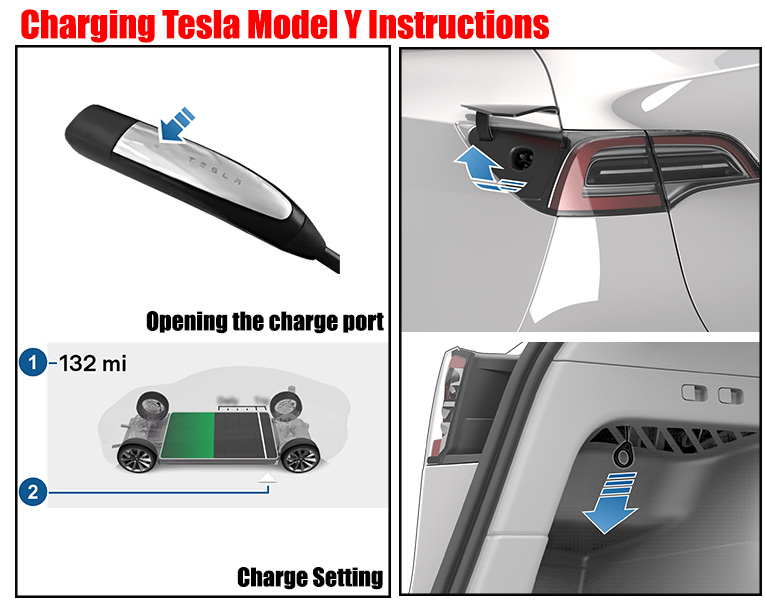
Mastering the Art of Charging Your Tesla Model Y: Step-by-Step Instructions
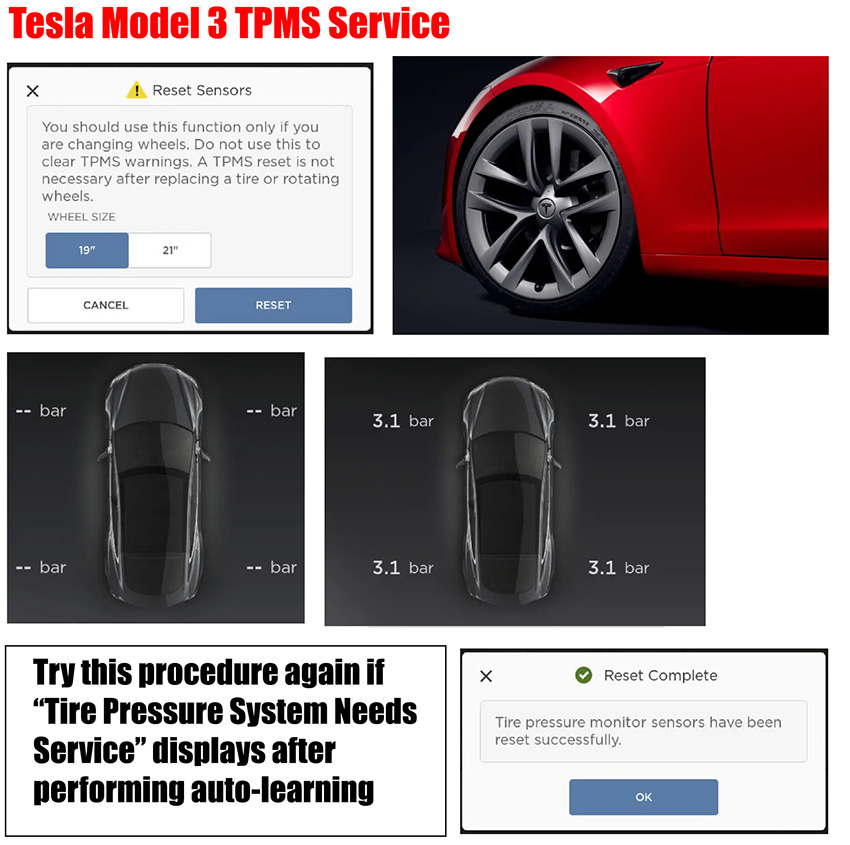
Tesla Model 3 tire pressure monitoring system fault
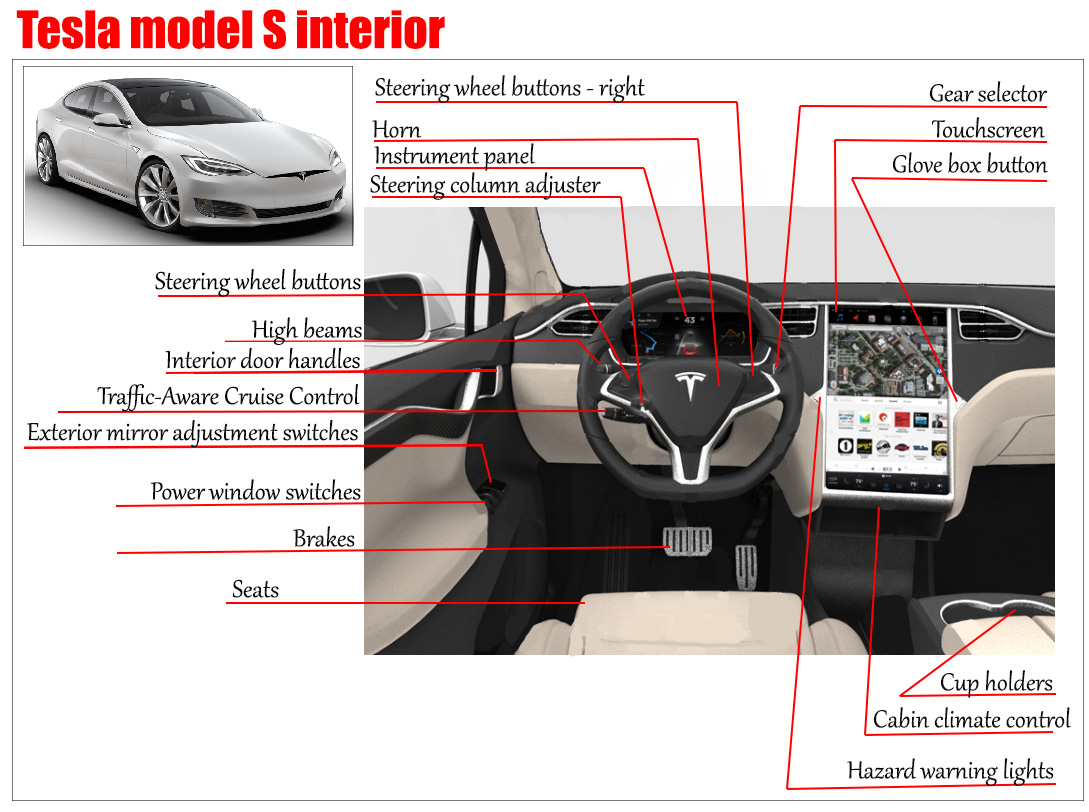
Tesla Model S interior
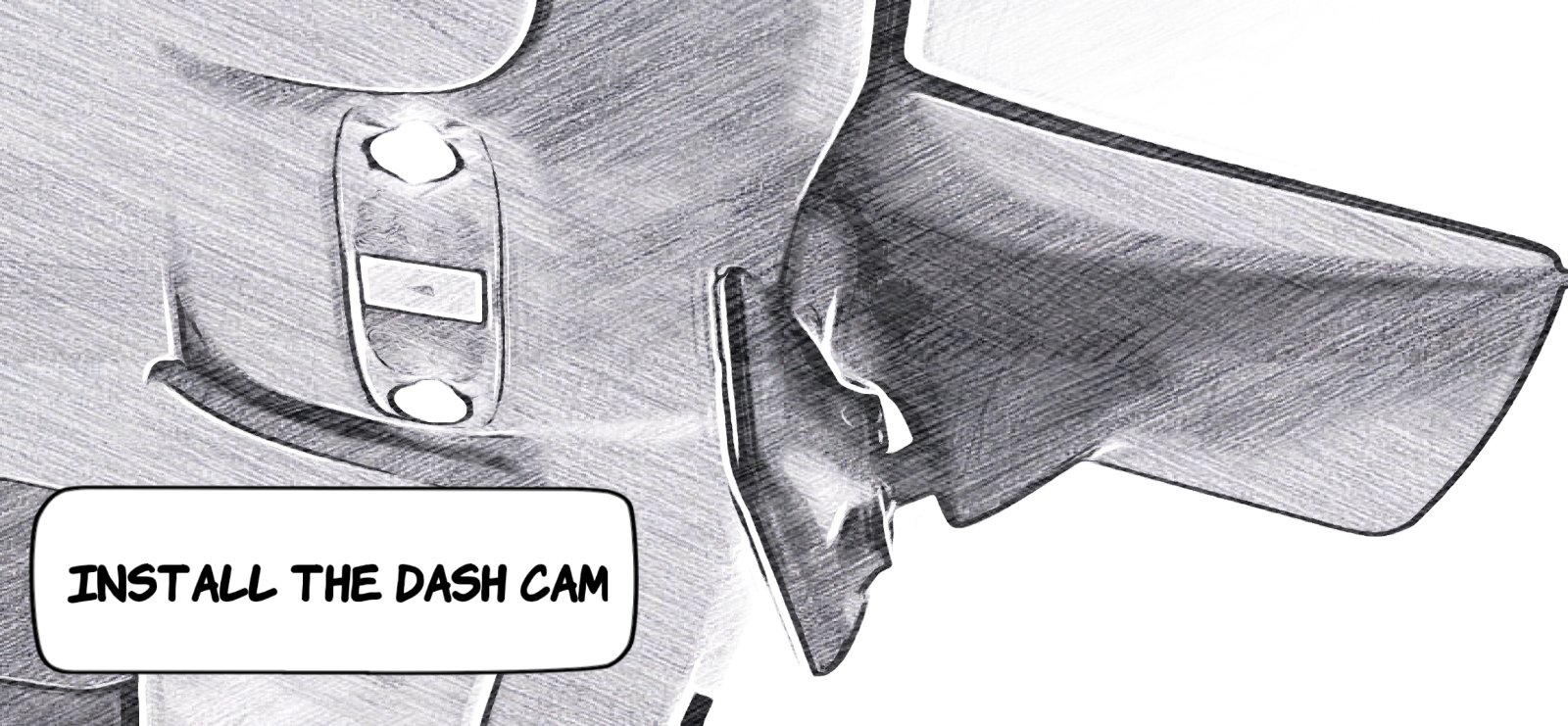
How to run dash cam cable (Tesla Model 3)
Body Repair Tesla Model X DIY (Front Bumper)
Tesla Model S Diagram
Tesla Model Comparison: Tesla Model 3, Model S, Model X, Model Y, Tesla Cybertruck and Tesla Roadster
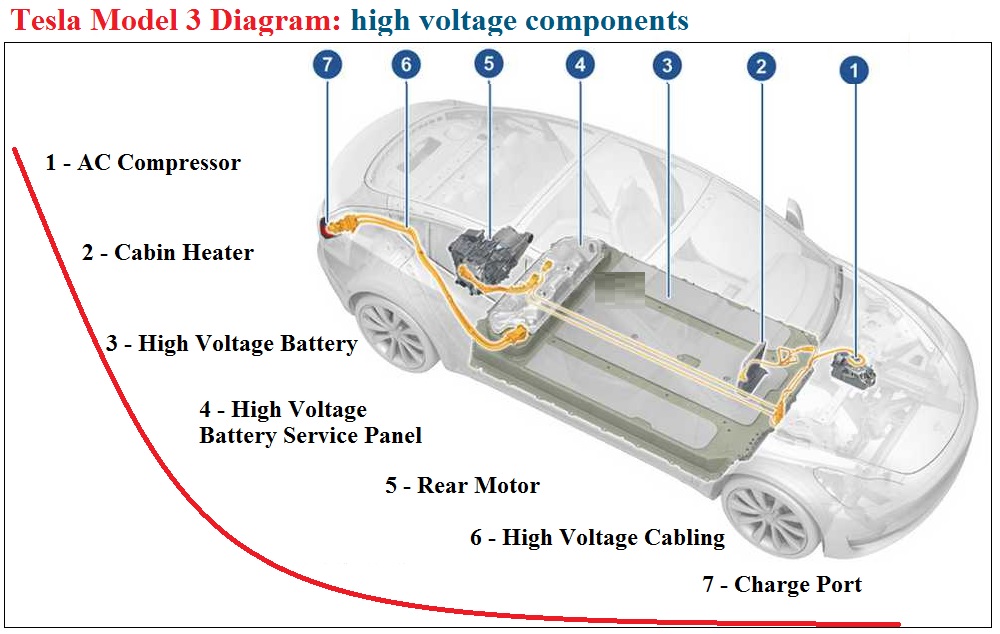
Tesla Model 3 High Voltage Components Diagram
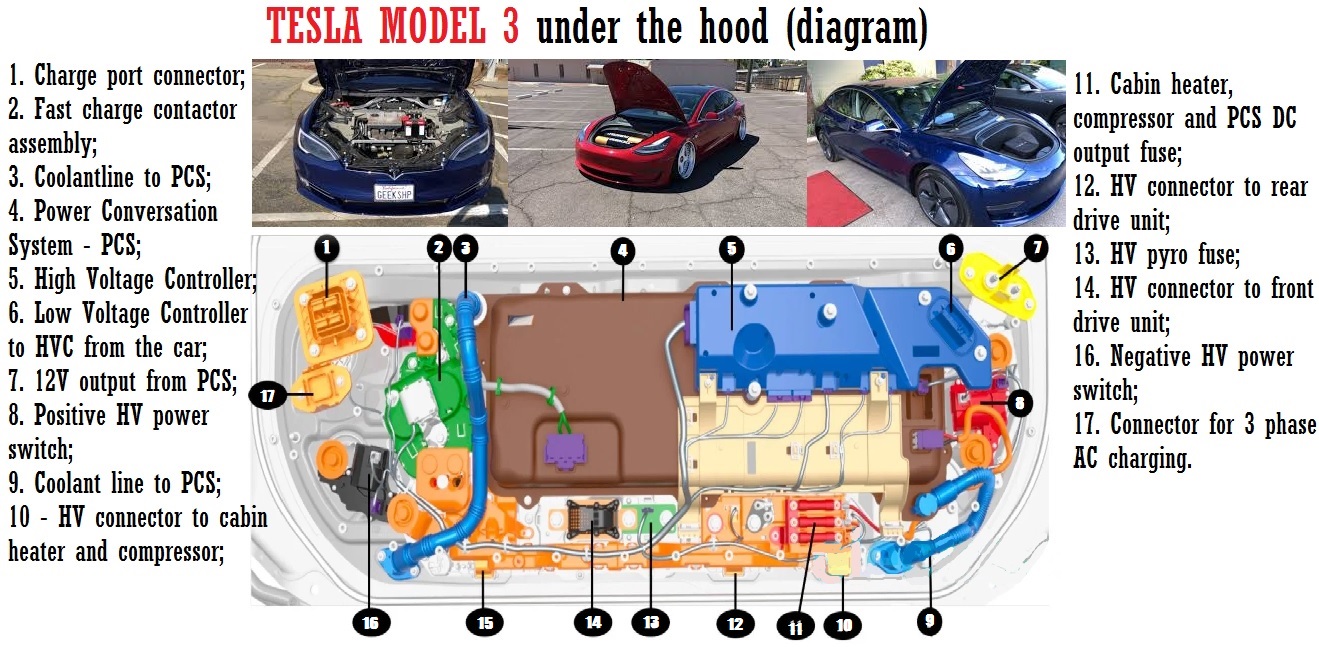
Tesla Model 3 schematic under the hood
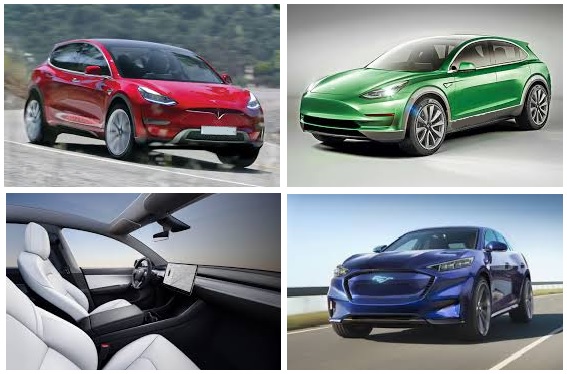
Most efficient Electric SUV: Tesla Model Y
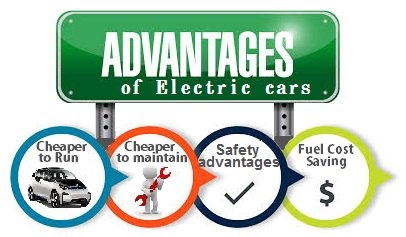
Advantages of the most popular Electric Cars: Tesla Model 3, Tesla Model X, Chevrolet Bolt, Tesla Model S, Nissan Leaf, BMW i3, Jaguar I-Pace
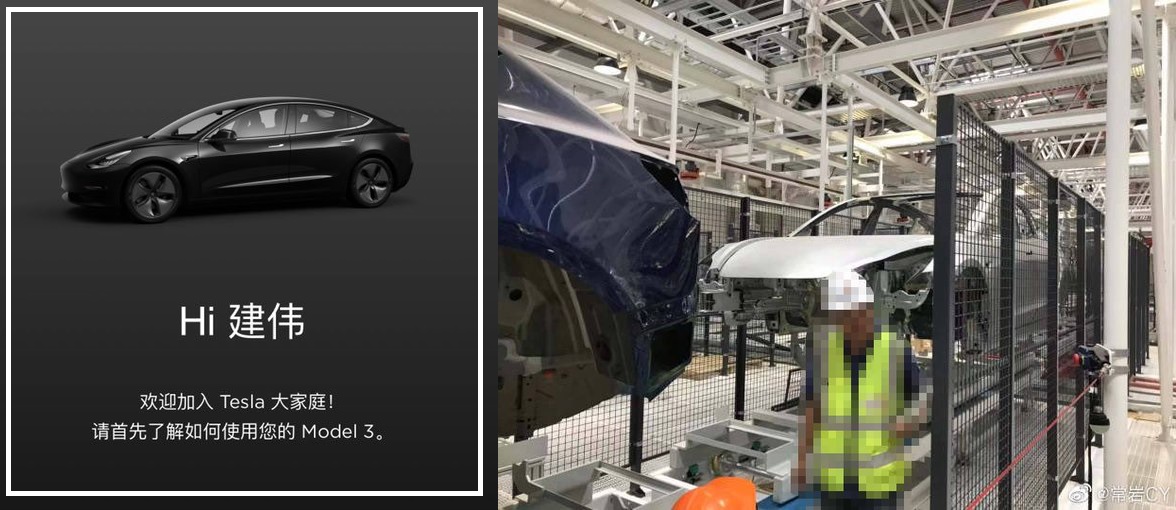
Chinese electric cars Tesla Model 3s
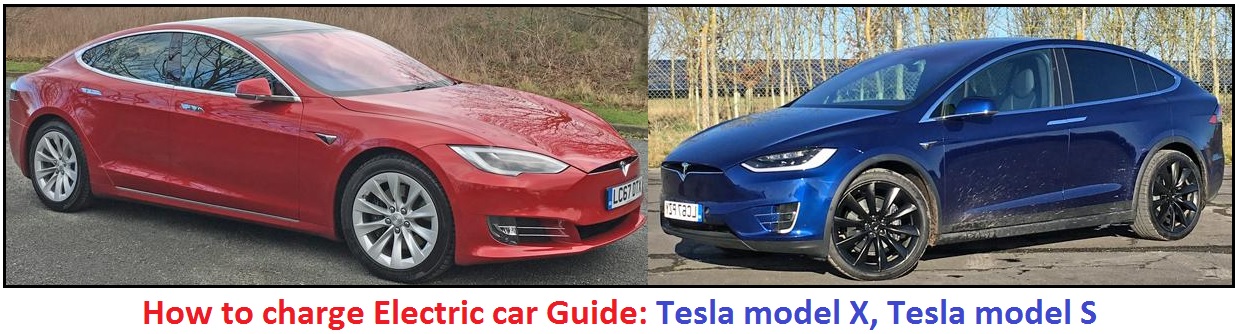
How to charge Electric car Guide: Tesla model X, Tesla model S