Model Guide
The Model 3 is Tesla’s volume seller and, by most measures, the most reliable car the brand currently builds – as covered in our full Tesla reliability and maintenance guide, that doesn’t mean it’s problem-free. This guide covers the Model 3 specifically: what changed with the Highland refresh, the exact issues to expect by generation, and what to check before buying.
Model years 2017–2026
LIVE DATA · SOURCE: NHTSANo recalls found for this vehicle. That's good news.
The core trade-off: the Model 3’s battery and motor are mechanically robust with rare catastrophic failures, but build-quality variability and suspension wear are common enough that a pre-purchase inspection matters more here than the battery-health check most buyers focus on first.
Clunking over bumps, tramlining, and inner-edge tire wear are the most consistently reported issues across model years, tied to suspension arm and bushing wear rather than a single defective part. U.S. regulators opened an investigation into power steering loss complaints on 2023-2024 Model 3 and Model Y vehicles specifically – worth checking recall status on any car from those model years.
Vibration, rattles, and minor water leaks have been reported on early Performance-trim Highland builds, along with headlight condensation in wet or cold climates – most resolved under warranty but worth checking for on a test drive.
The Highland’s steering-wheel-mounted turn signal and gear-selector controls are a genuine adjustment for owners used to physical stalks, and a portion of early complaints are learning-curve issues rather than defects. Separately, a rearview camera fault affecting 2021-2025 Model 3 (along with Model S, X, and Y) triggered a federal recall for failing to meet rearview visibility standards – confirm this has been addressed on any specific VIN.
Catastrophic motor or inverter failure is uncommon but not unheard of – a small number of owners have reported drive inverter failures within the first year of ownership, diagnosed via an error code and requiring full inverter replacement at a service center. This is rare enough not to be a defining pattern, but serious enough to mention.
Aggregated recall and complaint data shows 2025 as the strongest model year on record so far, with 2024 also solid. 2018 and 2021 are the weakest tracked years, driven mainly by electrical-system complaints in 2018 and a higher recall count in 2021. Reliability has trended upward year over year as Tesla has matured its production process.
The Model 3 has no oil changes, spark plugs, or timing components – maintenance is lighter than a gas car but not zero.
| Interval | What to Check |
|---|---|
| Every 12,000-16,000 km (~7,500-10,000 mi) or annually | Tire rotation and wear check (instant torque wears tires faster than a comparable gas sedan), brake fluid condition check, cabin air filter replacement |
| Every 2 years regardless of mileage | Brake fluid flush – still time-based on an EV since fluid absorbs moisture whether or not the friction brakes see heavy use |
| As needed | Suspension arm and bushing inspection at the first sign of clunking or uneven tire wear; don’t wait for a scheduled interval |
Is the Tesla Model 3 reliable?
It’s the most reliable model in Tesla’s current lineup, with a strong battery and motor track record. Suspension wear, build-quality variability, and software stability are the recurring weak points rather than the core powertrain.
What’s the best Model 3 year to buy?
2024-2025 models currently show the strongest reliability data. Early 2017-2018 cars carry the highest concentration of build-quality and electrical complaints from Tesla’s aggressive early production-scaling period.
Should I avoid an early Highland-refresh Model 3?
Not necessarily, but budget for the possibility of minor rattles, water leaks, or headlight condensation on very early Performance-trim builds, and get comfortable with the steering-wheel-mounted controls on a test drive before buying.
Tesla Model 3 Window Tint Problems
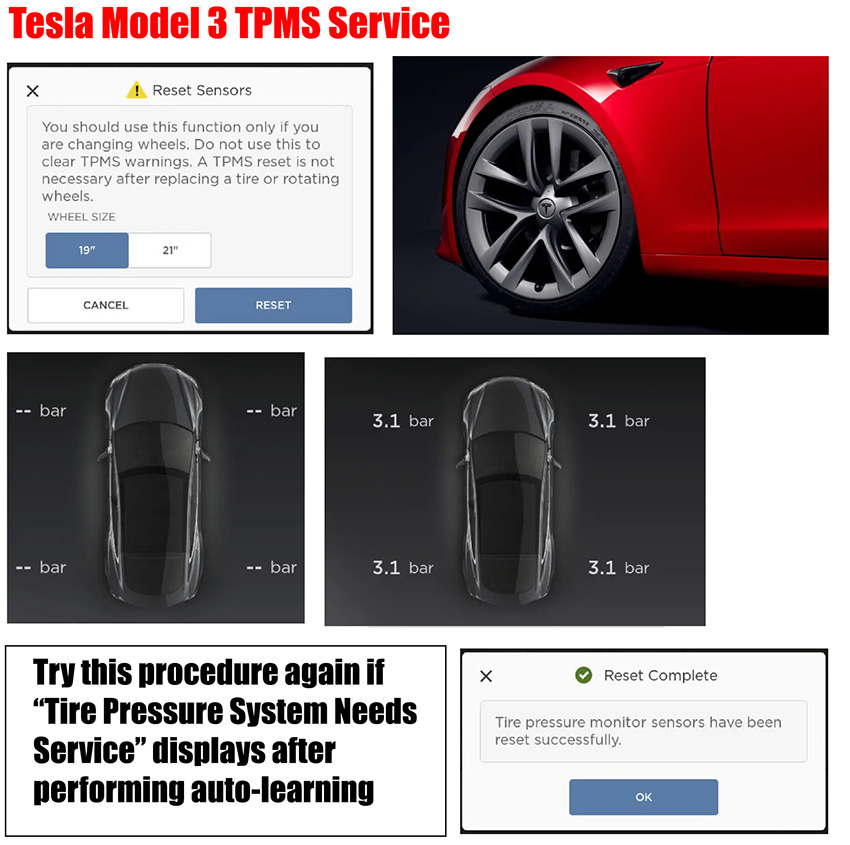
Tesla Model 3 tire pressure monitoring system fault
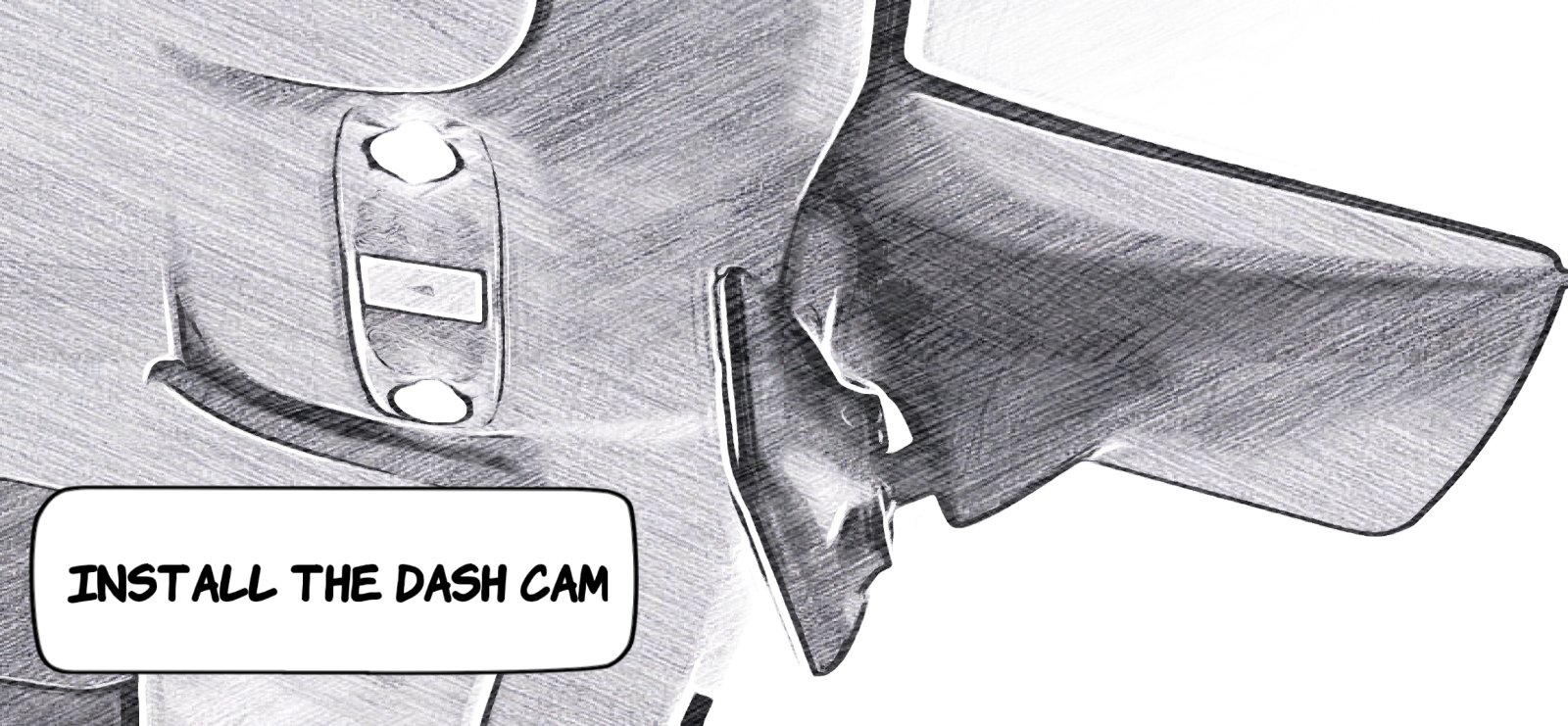
How to run dash cam cable (Tesla Model 3)
Tesla Model Comparison: Tesla Model 3, Model S, Model X, Model Y, Tesla Cybertruck and Tesla Roadster
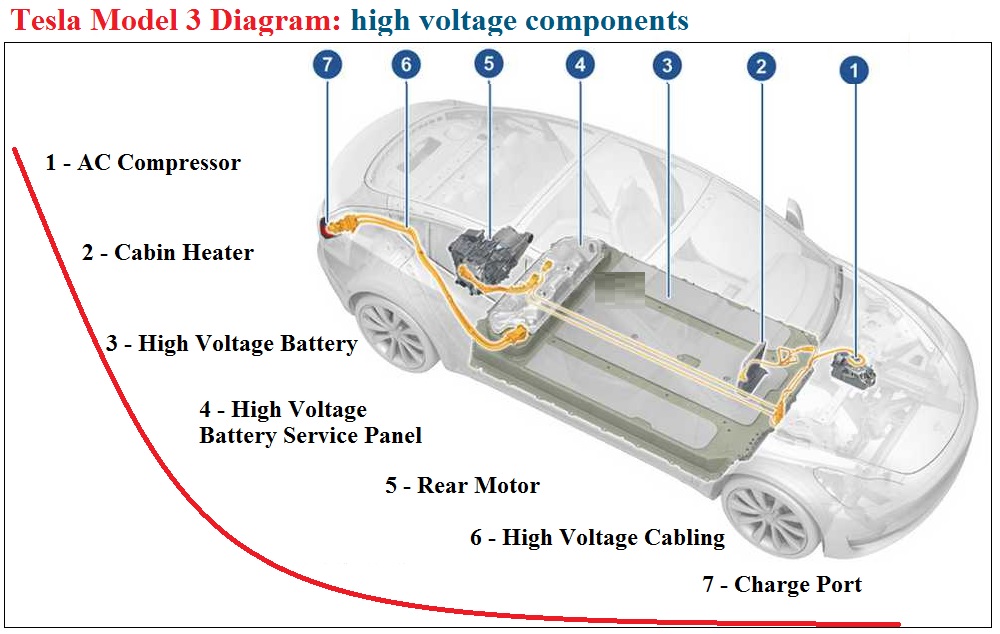
Tesla Model 3 High Voltage Components Diagram
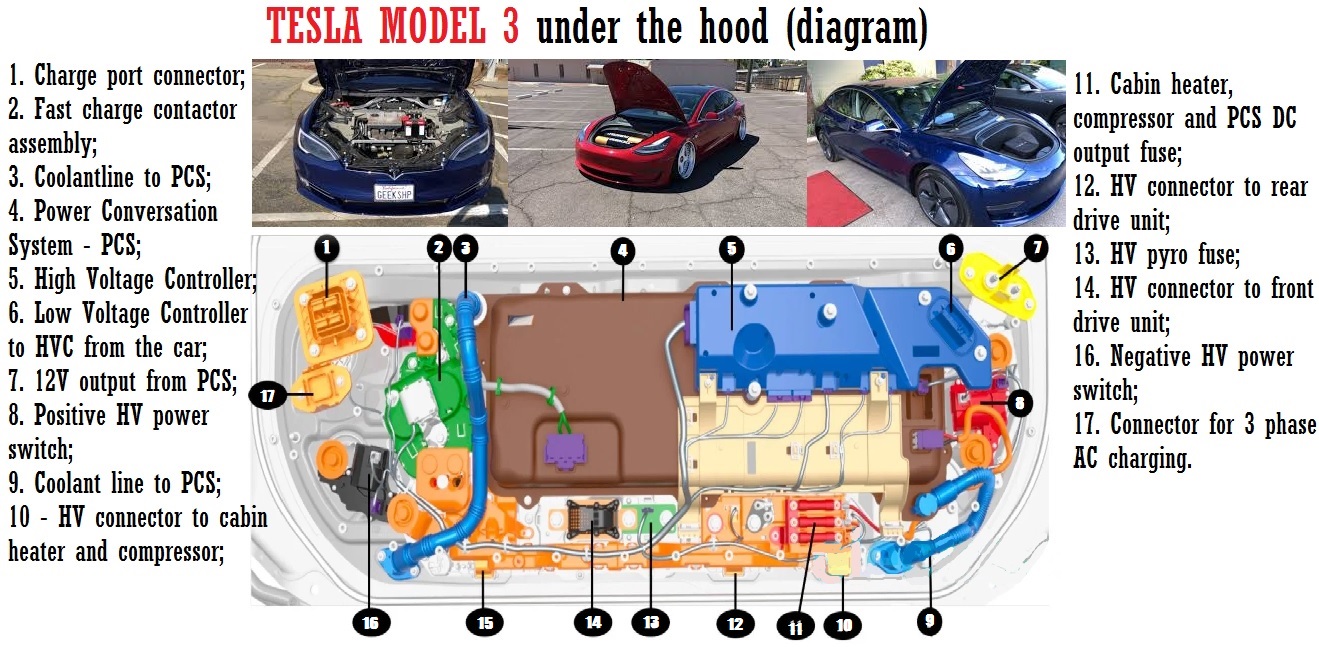
Tesla Model 3 schematic under the hood
Advantages of the most popular Electric Cars: Tesla Model 3, Tesla Model X, Chevrolet Bolt, Tesla Model S, Nissan Leaf, BMW i3, Jaguar I-Pace
Chinese electric cars Tesla Model 3s