
Electrical System of a Car: A Comprehensive Guide
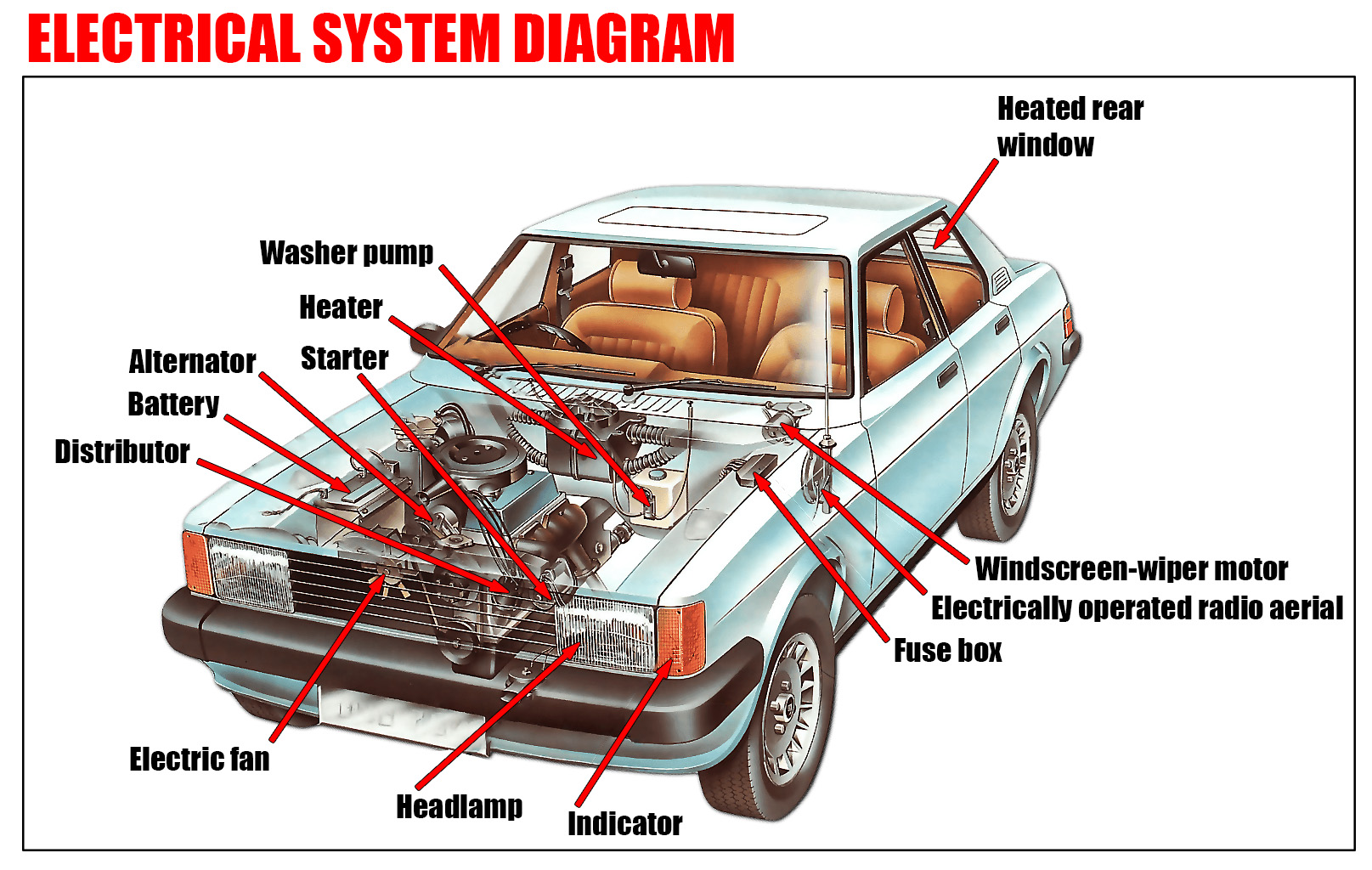
The electrical system of a car is a complex yet essential network that powers everything from the engine’s ignition to the vehicle’s lighting and entertainment systems. It operates as a closed circuit with the battery serving as the independent power source. Unlike household circuits, a car’s electrical system functions on a smaller scale, yet it is crucial for the overall performance and reliability of the vehicle. This article delves into the structure, function, and components of a car’s electrical system, providing a detailed understanding of how it operates.
The Basic Structure of a Car’s Electrical System
At its core, the car’s electrical system is designed to supply power to various components through a series of circuits. These circuits include the main charging, starting, and ignition systems, as well as additional circuits that power the lights, electric motors, sensors, gauges, heating elements, magnetic locks, and the radio. The entire system is a closed circuit, meaning that the current flows from the battery to the component being powered and then returns to the battery, completing the loop.
The Earth-Return System
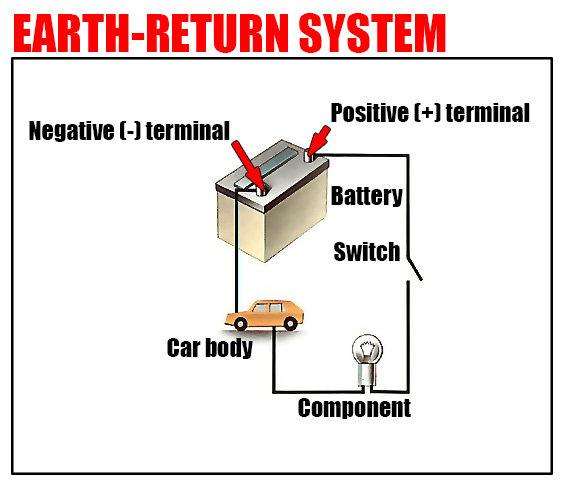
A key feature of the car’s electrical system is the earth-return system. In this setup, the current flows along a single cable from the battery to the component, and it returns to the battery through the car’s metal body. The body of the car is connected to the earth terminal of the battery by a thick cable, effectively grounding the circuit. Any part of the electrical system connected to the car body is said to be “earthed.” This method is efficient and reduces the need for additional wiring, making the system more streamlined.
Measuring Electrical Power: Amps and Volts
To understand the performance of a car’s electrical system, it is important to grasp the basic measurements of electrical power: amperes (amps) and voltage (volts). The strength of the current flowing through the system is measured in amps, while the pressure that drives the current around the circuit is measured in volts. Modern cars typically use a 12-volt battery, which provides the necessary pressure to drive the current through the system.
The capacity of the battery is measured in amp-hours (Ah). For example, a 56 amp-hour battery can deliver a current of 1 amp for 56 hours or 2 amps for 28 hours. This measurement is crucial because it determines how long the battery can power the car’s electrical components before needing to be recharged.
The Role of Switches and Relays
All circuits within the car’s electrical system are controlled by switches or relays. Switches are manually operated, allowing the driver or passengers to open or close a circuit, such as turning on the headlights or activating the radio. Relays, on the other hand, are remote switches operated by electromagnets. They allow for the control of circuits without the need for a direct connection, making it possible to manage more complex electrical functions with greater efficiency.
Battery Voltage and Component Performance
The performance of a car’s electrical system is directly linked to the voltage of the battery. As the battery’s voltage drops, the amount of current flowing through the system decreases. If the voltage drops too low, there may not be enough current to power the components, leading to failures in the electrical system. This is why maintaining the battery’s charge is critical for ensuring that all electrical components, from the ignition system to the entertainment unit, function properly.
The electrical system of a car is a sophisticated network that plays a vital role in the vehicle’s operation. By understanding the structure, components, and functions of this system, drivers can better appreciate the importance of maintaining the electrical system in good working order. From the earth-return system to the roles of switches and relays, each element is designed to work in harmony, ensuring the reliable performance of the vehicle’s electrical components. Proper maintenance and an understanding of the system’s basics can help prevent electrical issues and ensure a smooth driving experience.