
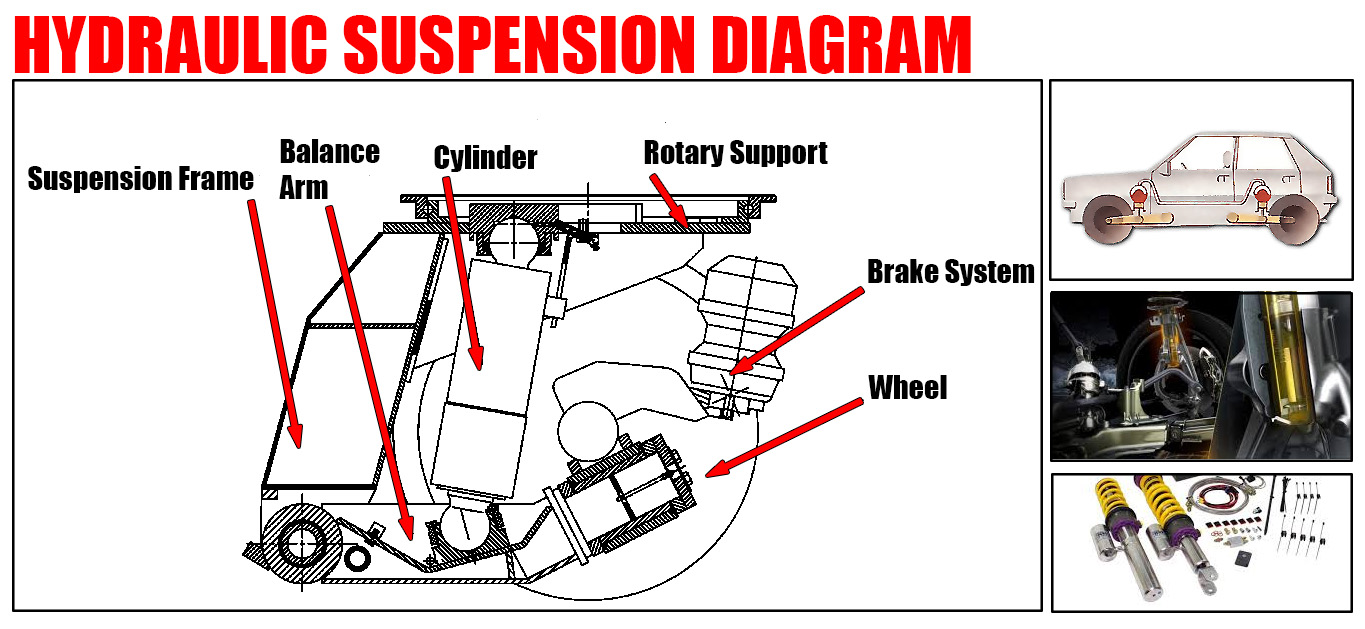
Hydraulic suspension is an advanced suspension system that enhances vehicle stability and ride comfort by using fluid dynamics to manage the response of the wheels to road conditions. This system integrates rubber springs with a hydraulic damper system, creating a sophisticated mechanism that links the front and rear wheels on the same side of the car. In this article, we will explore how hydraulic suspension works, its components, and the benefits it offers in maintaining a smooth and level ride.
The Basics of Hydraulic Suspension
Hydraulic suspension differs from traditional suspension systems by using hydraulic fluid to manage the movement of the wheels. The system is designed to keep the car level, even when one of the wheels encounters a bump or dip in the road. This is achieved by linking the front and rear wheels on each side of the car through a series of hydraulic displacer units.
When the front wheel rises over a bump, the hydraulic fluid in its suspension unit is displaced and flows to the rear-wheel unit. This movement raises the rear wheel, helping to maintain the vehicle’s level. Once the rear wheel has passed over the bump, the fluid returns to the front displacer unit, and the system restores the car to its original position. This continuous adjustment helps to smooth out the ride and reduce the impact of road irregularities on vehicle stability.
Components of Hydraulic Suspension
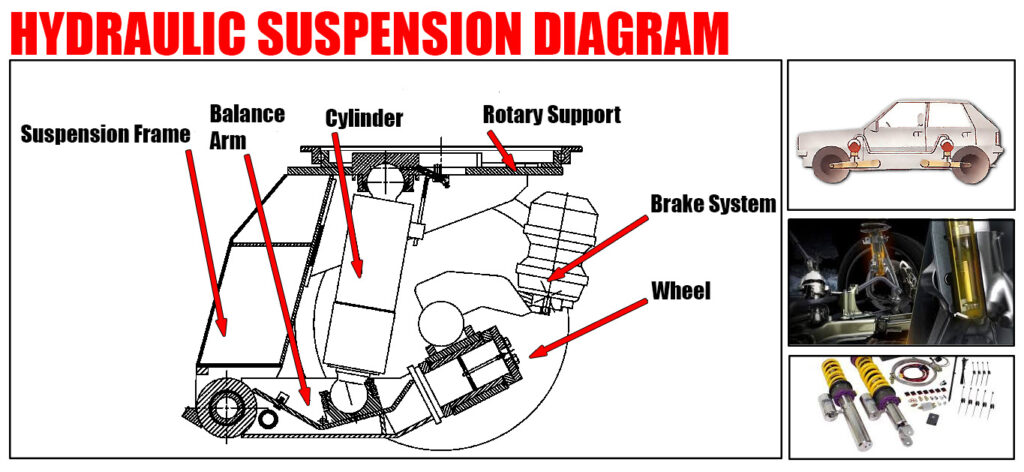
The key components of a hydraulic suspension system include rubber springs, displacer units, hydraulic fluid, and two-way valves. Each of these components plays a crucial role in the system’s operation:
Rubber Springs
Rubber springs are used in hydraulic suspension systems to absorb shocks and provide initial resistance to wheel movement. These springs work in conjunction with the hydraulic system to manage the vertical motion of the wheels, ensuring that the vehicle remains stable and comfortable.
Displacer Units
The displacer units are the core of the hydraulic suspension system. Each wheel on the car is connected to a displacer unit, which contains hydraulic fluid. As the wheel moves, the fluid is displaced, moving between the front and rear units on the same side of the car. This fluid movement is what allows the system to adjust the height of the wheels and maintain a level ride.
Hydraulic Fluid
Hydraulic fluid is the medium through which the suspension system operates. When the front wheel encounters a bump, the fluid is pushed from the front displacer unit to the rear unit, raising the rear wheel. This fluid movement is controlled by the system’s valves, which regulate the flow and provide the necessary damping effect.
Two-Way Valves
Each displacer unit is equipped with a two-way valve that controls the flow of hydraulic fluid between the units. These valves allow fluid to pass from the front to the rear unit when the front wheel rises over a bump, and then back to the front unit once the rear wheel has cleared the bump. The valves also provide the damping effect, which helps to smooth out the ride and prevent excessive bouncing or oscillation.
How Hydraulic Suspension Maintains Vehicle Stability
The primary function of hydraulic suspension is to maintain vehicle stability by keeping the car level as it moves over uneven terrain. When one wheel encounters a bump, the system automatically adjusts the height of the opposite wheel to compensate. This adjustment is made possible by the movement of hydraulic fluid between the displacer units, which raises or lowers the wheels as needed.
As a result, the car remains level, reducing body roll and improving overall handling. This is particularly beneficial when driving on rough or uneven surfaces, as it helps to keep the tires in contact with the road and prevents the vehicle from becoming unsettled.
Advantages of Hydraulic Suspension
Hydraulic suspension offers several advantages over traditional suspension systems. These include:
- Improved Ride Comfort: By continuously adjusting the height of the wheels, hydraulic suspension provides a smoother ride, minimizing the impact of bumps and dips in the road.
- Enhanced Stability: The system’s ability to keep the car level reduces body roll and improves handling, especially during cornering and over uneven terrain.
- Adaptability: Hydraulic suspension can adapt to varying road conditions, providing a consistent level of comfort and stability regardless of the surface.
Hydraulic suspension is a sophisticated system that combines the principles of fluid dynamics with advanced mechanical engineering to enhance vehicle stability and ride comfort. By linking the front and rear wheels on each side of the car and using hydraulic fluid to adjust wheel height, the system ensures a smooth and level ride even on uneven surfaces. Understanding the components and operation of hydraulic suspension helps to appreciate the benefits it offers in terms of comfort, stability, and adaptability.